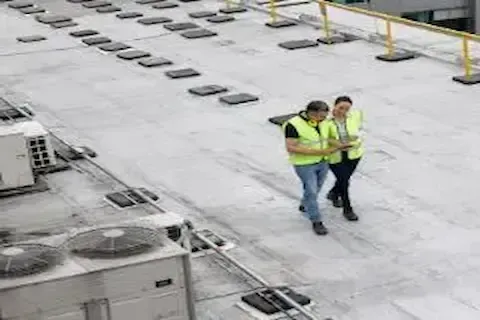
Commercial Roof Inspection Handbook for Plymouth MN
Commercial roof inspections represent one of the most critical preventive maintenance activities for Plymouth, Minnesota property owners. The harsh Minnesota winters, combined with summer storms and temperature fluctuations, create unique challenges that demand systematic evaluation of your commercial roofing system. Regular inspections serve as your first line of defense against costly repairs, premature replacement, and business disruption caused by unexpected roof failures.
Understanding the inspection process empowers you to make informed decisions about your property's most significant protective barrier. Whether you manage a single building or oversee multiple commercial properties throughout the Plymouth area, establishing a comprehensive inspection protocol protects your investment and ensures operational continuity. The complexities of modern commercial roofing systems require professional expertise, but property owners benefit enormously from understanding what constitutes thorough evaluation practices.
Commercial Roof Inspection Fundamentals
Commercial roof inspections differ significantly from residential evaluations due to the complexity of systems, materials, and accessibility challenges. Most commercial buildings in Plymouth feature flat or low-slope roofing systems that require specialized knowledge to assess properly. These inspections involve both visual examination and detailed documentation of conditions, deficiencies, and maintenance needs.
Professional inspectors evaluate multiple system components including the membrane, insulation, drainage systems, penetrations, and structural elements. The scope extends beyond surface-level observations to include assessment of underlying support systems, vapor barriers, and integration with building envelope components. Qualified inspectors understand how Minnesota's climate affects different roofing materials and can identify climate-specific deterioration patterns.
The inspection process typically involves both interior and exterior evaluations. Interior inspections reveal water damage, insulation problems, and structural issues that may not be visible from above. Exterior examination focuses on membrane condition, seam integrity, drainage functionality, and equipment installation quality. This comprehensive approach ensures no critical issues escape detection.
Optimal Inspection Frequency and Timing
The frequency of commercial roof inspections depends on several factors including roof age, system type, building usage, and environmental exposure. Most roofing professionals recommend biannual inspections for commercial properties, typically conducted in spring and fall. This timing allows identification of winter damage before the busy season and preparation for harsh weather conditions.
Newer roofing systems may require less frequent inspection, while aging roofs benefit from more frequent evaluation. Buildings with heavy foot traffic, numerous penetrations, or equipment installations typically need more frequent assessment. Properties housing sensitive operations or valuable inventory should prioritize more aggressive inspection schedules to prevent business interruption.
Event-driven inspections become necessary following severe weather, including hailstorms, high winds, or heavy snow loads common in the Plymouth area. Commercial Roof Inspection services should be engaged immediately after suspected damage to document conditions for insurance claims and prevent secondary damage from delayed repairs.
Seasonal considerations play a crucial role in inspection timing. Spring inspections reveal winter damage and allow repairs before the summer construction season. Fall inspections ensure systems are prepared for Minnesota's challenging winter conditions. Emergency inspections may be necessary during extreme weather events or when interior water damage suggests roofing system compromise.
Comprehensive Inspection Scope and Components
A thorough commercial roof inspection encompasses multiple system elements and building components. The membrane evaluation includes assessment of surface condition, seam integrity, punctures, blistering, and overall deterioration. Inspectors examine flashings around penetrations, parapets, and equipment installations where most leaks originate.
Drainage system evaluation represents a critical inspection component, particularly for flat roofing systems prevalent in commercial construction. Inspectors assess drain functionality, gutter condition, downspout capacity, and standing water issues. Poor drainage accelerates membrane deterioration and creates structural loading concerns during freeze-thaw cycles.
Insulation assessment involves evaluation of thermal performance, moisture intrusion, and compression issues that reduce energy efficiency. Vapor barrier integrity affects both insulation performance and structural protection. Inspectors use thermal imaging and moisture meters to identify problem areas not visible through surface examination.
Structural elements receive attention during comprehensive inspections. Deck condition, fastener integrity, and load-bearing capacity assessment ensure the roof system maintains adequate support. Inspectors evaluate structural deflection, joint movement, and connection details that affect long-term performance.
Professional Inspection Reports and Documentation
Quality inspection reports provide detailed documentation of roof conditions, deficiencies, and recommended actions. Professional reports include photographic documentation, priority rankings for identified issues, and cost estimates for necessary repairs. This documentation proves invaluable for budgeting, insurance claims, and warranty compliance.
Comprehensive reports categorize findings by urgency, distinguishing between immediate safety concerns, items requiring prompt attention, and long-term maintenance needs. Priority classification helps property owners allocate resources effectively and prevent minor issues from developing into major problems. Reports should include specific locations, detailed descriptions, and recommended repair methodologies.
Documentation standards vary among inspection providers, but quality reports include site sketches, condition photographs, and detailed written descriptions. Reports should reference relevant building codes, manufacturer requirements, and industry standards. Professional inspectors provide clear recommendations with explanations of consequences if issues remain unaddressed.
Regular inspection documentation creates a valuable maintenance history that helps identify recurring problems, track system performance, and support warranty claims. This historical data proves essential when making decisions about major repairs versus replacement and provides documentation for potential litigation or insurance disputes.
Contractor Selection and Qualification Criteria
Selecting qualified inspection providers requires careful evaluation of credentials, experience, and capabilities. Look for contractors with specific commercial roofing experience, relevant certifications, and comprehensive insurance coverage. Professional inspectors should hold certifications from recognized organizations and maintain continuing education in evolving roofing technologies.
Experience with your specific roofing system type proves crucial for accurate assessment. Single-ply membranes, built-up roofing, and modified bitumen systems require different evaluation approaches and specialized knowledge. Contractors familiar with Minnesota's climate challenges understand regional-specific deterioration patterns and appropriate repair methodologies.
Insurance coverage requirements include general liability, professional liability, and workers' compensation protection. Verify coverage limits meet your property's exposure and ensure certificates remain current. Professional inspectors should provide references from similar commercial properties and demonstrate successful completion of comparable projects.
Technology capabilities distinguish quality inspection providers. Modern inspectors utilize thermal imaging, moisture detection equipment, and detailed documentation systems. These tools provide more accurate assessment and better documentation than visual inspection alone. Advanced technology reveals hidden problems and provides objective condition data.
Cost Management and Budgeting Strategies
Commercial roof inspection costs represent a small fraction of potential repair or replacement expenses, making regular evaluation a sound investment. Inspection fees vary based on building size, system complexity, and documentation requirements. Most commercial inspections cost significantly less than emergency repairs resulting from undetected problems.
Budget planning should account for both routine inspection costs and potential repair needs identified during evaluation. Establishing inspection reserves ensures adequate funding for regular assessment without impacting operational budgets. Many property owners find annual contracts with qualified providers offer cost savings and ensure consistent service delivery.
Cost-benefit analysis demonstrates the value of professional inspections through avoided emergency repairs, extended roof life, and reduced insurance claims. Early problem identification typically results in lower repair costs than reactive maintenance approaches. Documented inspection programs may qualify for insurance premium discounts and extended warranty coverage.
Multi-property owners benefit from portfolio-based inspection programs that provide consistency across locations and potential volume discounts. Standardized inspection protocols ensure uniform assessment quality and facilitate comparative analysis between properties. Professional management companies often negotiate favorable rates for comprehensive inspection services.
Regulatory Compliance and Code Requirements
Commercial roof inspections must address applicable building codes, fire safety requirements, and accessibility standards. Minnesota building codes specify inspection requirements for certain building types and occupancies. Professional inspectors understand local jurisdiction requirements and ensure compliance with relevant regulations.
Life safety considerations include emergency egress requirements, fire resistance ratings, and structural load capacity. Inspections verify that roof modifications, equipment installations, and repairs maintain compliance with original design criteria. Code violations identified during inspection require prompt correction to maintain occupancy permits.
Environmental regulations may apply to older roofing systems containing asbestos or other regulated materials. Professional inspectors identify potential hazardous materials and recommend appropriate handling procedures. Environmental compliance ensures safe working conditions and avoids regulatory violations during maintenance activities.
Accessibility compliance affects roof design and maintenance access requirements. The Americans with Disabilities Act and related codes influence roof equipment placement and maintenance procedures. Professional inspections verify compliance with accessibility requirements and identify potential compliance issues.
Long-term Asset Management Integration
Commercial roof inspections form a cornerstone of comprehensive asset management programs. Regular evaluation data supports capital planning, budgeting decisions, and lifecycle analysis. Integration with computerized maintenance management systems provides historical tracking and predictive maintenance capabilities.
Performance trending identifies patterns that indicate system deterioration, maintenance effectiveness, and replacement timing. Professional inspection data supports engineering analysis and helps optimize maintenance strategies. Long-term tracking reveals which systems provide superior performance and guides future replacement decisions.
Warranty compliance requires documented inspection and maintenance programs for most commercial roofing systems. Regular professional inspections ensure warranty requirements are met and provide documentation for potential warranty claims. Failure to maintain adequate inspection records may void manufacturer warranties and result in significant financial exposure.
Property valuation benefits from documented maintenance programs and current condition assessment. Professional inspection reports provide third-party verification of roof condition for sale transactions, financing decisions, and insurance requirements. Well-maintained roofing systems with documented inspection histories command higher property values and attract quality tenants.
For a permit-ready, location-specific version, follow our Hennepin County commercial roof inspection checklist covering drainage, flashings, and ponding.
Not sure how often your building should actually be on the schedule? Our guide to how often Plymouth commercial flat roofs need inspection breaks down the spring and fall windows, the post-storm triggers, and the warranty-driven intervals most carriers require.
