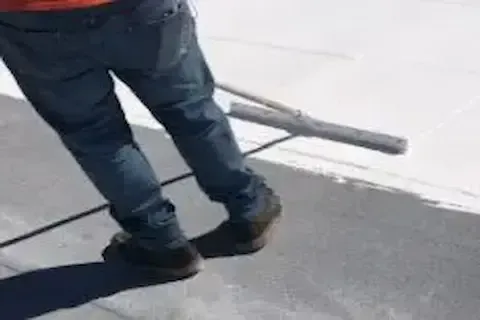
Commercial Roof Coating Systems for Plymouth MN Buildings
Commercial roof coating systems represent one of the most cost-effective approaches to extending the life of existing commercial roofing in Plymouth, Minnesota. These liquid-applied membranes create seamless, monolithic barriers that protect against water infiltration, UV degradation, and thermal cycling damage. For Plymouth building owners facing aging roof systems, coating applications can provide 10-15 years of additional service life at a fraction of complete replacement costs.
The harsh Minnesota climate presents unique challenges for commercial roofing systems. Temperature fluctuations between summer highs exceeding 90°F and winter lows dropping below -20°F create constant expansion and contraction stress on roofing materials. Traditional roofing systems in Plymouth often develop membrane splits, seam separations, and fastener backouts after 15-20 years of exposure to these conditions.
Understanding Roof Coating System Types
Silicone roof coatings represent the premium option for Plymouth commercial buildings due to their exceptional weather resistance and longevity. These single-component systems cure through reaction with atmospheric moisture, creating a durable elastomeric membrane that maintains flexibility across Minnesota's temperature extremes. Silicone coatings demonstrate superior resistance to ponding water, UV radiation, and chemical exposure from industrial atmospheres common in Plymouth's manufacturing districts.
Acrylic roof coatings offer excellent value for buildings with proper drainage systems. These water-based formulations provide strong adhesion to various substrate materials and excellent reflectivity to reduce cooling costs during Plymouth's warm summer months. However, acrylic systems require complete drainage within 72 hours and may not perform optimally on roofs with chronic ponding water issues.
Urethane roof coatings excel in high-traffic applications and areas requiring superior impact resistance. These chemically-cured systems create tough, abrasion-resistant surfaces suitable for rooftop equipment access and maintenance activities. Urethane formulations demonstrate excellent adhesion to difficult substrates and provide outstanding protection against mechanical damage.
Hybrid coating systems combine multiple polymer technologies to optimize specific performance characteristics. Polyurethane-acrylic hybrids offer enhanced durability compared to straight acrylics while maintaining easier application properties than pure urethane systems. These formulations often provide the best balance of performance and cost for Plymouth commercial applications.
Substrate Preparation Requirements
Proper surface preparation determines coating system longevity and performance. Plymouth roofing contractors must thoroughly clean existing roof surfaces, removing all loose debris, grease, and biological growth. Power washing with appropriate detergents eliminates accumulated dirt and atmospheric pollutants that interfere with coating adhesion.
Membrane repairs require completion before coating application. All seam separations, punctures, and damaged areas need reinforcement with compatible patching materials. Missing or loose fasteners must be replaced and sealed to prevent future water infiltration. Proper repairs ensure the coating system performs as designed rather than simply covering existing problems.
Surface profiling may be necessary on smooth substrates to ensure adequate mechanical bonding. Light scarification or chemical etching creates microscopic texture that improves coating adhesion. However, excessive profiling can create stress concentration points that reduce coating longevity.
Moisture content evaluation prevents coating failures from trapped water vapor. Substrate moisture levels exceeding 6% require additional drying time or moisture vapor transmission treatments. Plymouth's humid summer conditions often necessitate extended drying periods between surface preparation and coating application.
Application Process and Quality Control
Weather conditions significantly impact coating application success in Plymouth's variable climate. Application requires ambient temperatures above 50°F with no precipitation forecast for 24-48 hours depending on coating type. High humidity levels above 85% can interfere with proper curing, particularly for moisture-cure silicone systems.
Primer application often proves necessary for optimal coating adhesion, especially on aged or weathered substrates. Specialized primers chemically bond to existing roofing materials while providing compatible surfaces for coating adhesion. Primer selection depends on substrate material and coating chemistry compatibility.
Base coat application requires uniform thickness across all roof areas to ensure consistent performance. Professional contractors use calibrated spray equipment or specialized rollers to achieve specified mil thickness. Multiple thin coats typically provide superior performance compared to single thick applications that may develop curing inconsistencies.
Detail reinforcement at penetrations, transitions, and vulnerable areas requires embedded fabric reinforcement within the coating system. Roof Coating Systems applications must address these critical areas with additional material thickness and reinforcement to prevent premature failure at stress concentration points.
Top coat application provides the final weather barrier and aesthetic finish. This layer contains specialized additives for UV resistance, dirt pickup resistance, and thermal reflection properties. Proper top coat application ensures long-term coating performance and appearance retention.
Performance Expectations and Warranties
Properly applied roof coating systems typically provide 10-15 years of service life in Plymouth's climate conditions. Silicone systems often exceed this range due to their inherent stability and weather resistance. Regular maintenance inspections and minor touch-ups can extend system life beyond initial warranty periods.
Energy savings represent a significant benefit of reflective coating systems for Plymouth commercial buildings. White or light-colored coatings can reduce roof surface temperatures by 40-60°F during peak summer conditions, substantially reducing air conditioning loads. These savings often offset coating system costs within 3-5 years through reduced utility expenses.
Warranty coverage varies significantly between coating manufacturers and application contractors. Material warranties typically cover coating degradation, cracking, and adhesion failures for specified periods. Installation warranties address workmanship issues including proper surface preparation and application techniques. Understanding warranty limitations and maintenance requirements prevents coverage disputes.
Cost Considerations and Economic Analysis
Roof coating systems typically cost 60-75% less than complete roof replacement for Plymouth commercial buildings. Material costs range from $2-6 per square foot depending on coating type and application complexity. Labor costs vary based on surface preparation requirements and access difficulties but generally remain significantly lower than replacement labor expenses.
Building disruption during coating application proves minimal compared to complete roof replacement projects. Most coating applications complete within 1-3 days depending on building size and weather conditions. Minimal interior protection requirements reduce business interruption costs for occupied Plymouth commercial facilities.
Life-cycle cost analysis favors coating systems for roofs with 50% or greater remaining structural integrity. Buildings with extensive structural damage, saturated insulation, or severe deck deterioration may require complete replacement despite higher initial costs. Professional evaluation determines the most cost-effective approach for each specific situation.
Common Application Challenges
Ponding water represents the most significant challenge for coating system success in Plymouth applications. Areas retaining water for extended periods require specialized coating formulations or drainage improvements before coating application. Silicone systems demonstrate superior tolerance for ponding conditions compared to acrylic alternatives.
Incompatible substrate materials can cause coating adhesion failures or chemical reactions that compromise system integrity. Certain modified bitumen surfaces, aged EPDM membranes, and contaminated metals require specialized primers or surface treatments for successful coating adhesion. Laboratory testing may be necessary for questionable substrates.
Temperature shock during Minnesota's rapid weather changes can stress coating systems beyond design limits. Proper coating selection and application techniques minimize thermal stress effects. Multiple thin coats typically provide superior thermal cycling resistance compared to single thick applications.
Contractor selection proves critical for coating system success. Inexperienced applicators often create problems including inadequate surface preparation, improper material mixing, and insufficient thickness application. PVC membrane roofing essentials require similar attention to contractor qualifications and experience levels for optimal results.
Maintenance and Long-term Care
Annual inspections identify minor issues before they develop into major problems requiring extensive repairs. Professional inspections should evaluate coating condition, seam integrity, and drainage system performance. Early detection of problems allows cost-effective maintenance rather than expensive emergency repairs.
Routine maintenance includes debris removal, drain clearing, and minor coating touch-ups as needed. Plymouth's seasonal leaf fall and snow accumulation require periodic cleaning to maintain proper drainage. Neglected maintenance can void warranty coverage and reduce system longevity.
Recoating schedules depend on coating type, environmental exposure, and maintenance quality. Most systems benefit from recoating every 8-12 years to maintain optimal performance. Timely recoating costs significantly less than allowing systems to fail and require complete replacement.
Documentation maintenance proves essential for warranty compliance and future planning decisions. Detailed records of application dates, materials used, and maintenance performed support warranty claims and help optimize future roofing investments. Professional property managers maintain comprehensive roofing files for each building asset.
For roofs that hold water after heavy rain, see how silicone coatings extend Plymouth flat roof lifespan and why silicone outperforms acrylic in ponding conditions.
