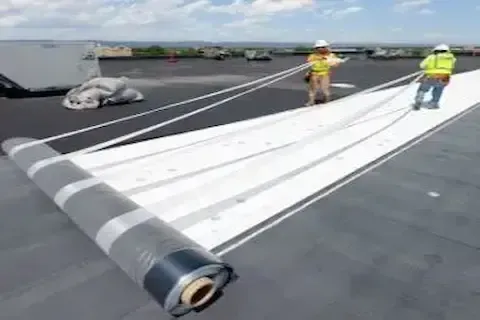
PVC Commercial Roofing System for Plymouth MN Buildings
PVC commercial roofing represents one of the most advanced single-ply membrane systems available for Plymouth, Minnesota commercial buildings. This thermoplastic membrane technology delivers exceptional chemical resistance, superior heat-welded seam strength, and proven long-term performance in Minnesota's challenging climate conditions. Property owners and facility managers choosing PVC roofing systems benefit from decades of proven field performance, extensive warranty coverage, and energy efficiency advantages that translate to measurable operational savings.
PVC Membrane Technology and Composition
Polyvinyl chloride roofing membranes consist of two or more layers of PVC material with polyester reinforcement fabric laminated between flexible PVC layers. This construction creates a membrane typically ranging from 45 to 80 mils in thickness, providing exceptional puncture resistance and dimensional stability. The reinforcement fabric, usually polyester scrim or knit, adds tensile strength while maintaining flexibility across temperature extremes common in Plymouth's continental climate.
Modern PVC formulations incorporate plasticizers, stabilizers, biocides, and flame retardants engineered for long-term performance. Heat and UV stabilizers prevent degradation from Minnesota's intense summer sun and temperature cycling, while biocides resist algae and fungal growth in humid conditions. These chemical enhancements ensure the membrane maintains flexibility and strength throughout its service life.
Manufacturing quality control includes thickness monitoring, seam strength testing, and chemical resistance verification. Reputable manufacturers maintain strict tolerances and conduct extensive field testing to validate performance claims. This quality assurance translates to consistent installation results and predictable long-term performance for Plymouth commercial buildings.
Heat-Welded Seam Technology
PVC roofing's primary advantage lies in its thermoplastic properties enabling heat-welded seams that create monolithic waterproof barriers. Hot air welding equipment heats adjacent membrane edges to approximately 500-600°F, allowing molecular fusion that creates seams stronger than the base membrane material. This welding process eliminates adhesive-dependent seams that can fail due to temperature cycling or chemical exposure.
Qualified installers use automated welding machines for straight seams and handheld tools for detail work around penetrations and corners. Proper welding technique requires precise temperature control, consistent travel speed, and appropriate overlap dimensions. Quality welding produces smooth, uniform seams without charring, rippling, or gaps that could compromise waterproofing integrity.
Seam testing follows installation using probe testing and air pressure testing methods. Probe testing identifies unbonded areas along seam edges, while air pressure testing verifies seam continuity across larger sections. These quality control measures ensure every seam meets manufacturer specifications and provides reliable long-term performance. The PVC Roofing installation process demands skilled technicians familiar with thermoplastic welding techniques.
Chemical Resistance and Environmental Performance
PVC membranes demonstrate exceptional resistance to chemicals commonly found in commercial environments, including oils, greases, acids, and alkalis. This chemical inertness makes PVC roofing ideal for restaurants, manufacturing facilities, laboratories, and other buildings where chemical exposure poses risks to conventional roofing materials. The membrane maintains integrity when exposed to ponding water with dissolved chemicals or atmospheric pollutants.
Minnesota's environmental challenges include acid rain, industrial emissions, and temperature extremes ranging from -30°F to 100°F. PVC formulations specifically address these conditions through UV stabilizers that prevent photodegradation, plasticizers that maintain flexibility at low temperatures, and chemical resistant compounds that neutralize environmental contaminants.
Biological resistance prevents algae, mold, and bacterial growth that can degrade other membrane types. This resistance maintains membrane appearance and prevents organic buildup that could compromise drainage or create maintenance issues. The smooth membrane surface sheds dirt and debris naturally, reducing cleaning requirements and maintaining energy efficiency benefits.
Installation Methods and Attachment Systems
PVC membranes accommodate multiple attachment methods depending on building structure, local wind loads, and project requirements. Fully adhered systems use solvent-based or water-based adhesives applied to substrate and membrane back, creating complete bonding across the roof surface. This method provides maximum wind uplift resistance and works well on smooth substrates like concrete or properly prepared wood decking.
Mechanically attached systems secure membrane to deck using specialized fasteners and plates, typically spaced according to wind load calculations and building codes. The membrane loose-lays between fastener rows with seams heat-welded to create waterproof integrity. This installation method allows substrate moisture vapor transmission and works effectively on various deck types including metal, wood, and concrete.
Ballasted systems hold membrane in place using river rock, concrete pavers, or other approved ballast materials. This method requires minimal penetrations through the membrane and allows easy access for maintenance or modifications. However, ballasted systems require structural analysis to ensure adequate load capacity and may not be suitable for Plymouth buildings with weight restrictions.
Energy Efficiency and Cool Roof Performance
Light-colored PVC membranes typically achieve high solar reflectance values exceeding 0.75 and thermal emittance values above 0.85, qualifying for ENERGY STAR and Cool Roof Rating Council certification. These optical properties reflect solar radiation and emit absorbed heat, reducing cooling loads in Plymouth's warm summer months. The resulting energy savings often offset initial installation costs within the first few years of operation.
Reflective roofing reduces urban heat island effects by maintaining lower surface temperatures compared to conventional dark roofing materials. This environmental benefit contributes to improved air quality and reduced cooling demands across entire neighborhoods. Many Plymouth commercial buildings qualify for utility rebates and tax incentives when installing high-performance reflective roofing systems.
Insulation compatibility allows PVC systems to work with various thermal barrier strategies including rigid board insulation, spray foam, and composite systems. Proper insulation design prevents thermal bridging and maintains consistent interior temperatures while maximizing energy efficiency benefits. Professional design ensures optimal thermal performance while maintaining membrane integrity and preventing condensation issues.
Maintenance Requirements and Service Life
PVC roofing systems require minimal maintenance when properly installed and inspected regularly. Recommended maintenance includes semi-annual inspections focusing on seam integrity, penetration sealing, and drainage system functionality. These inspections identify minor issues before they develop into costly problems requiring extensive repairs or premature replacement.
Membrane cleaning removes accumulated dirt and debris that could affect reflective properties or create ponding areas. Simple detergent washing restores appearance and maintains energy efficiency benefits. Avoid petroleum-based cleaners or solvents that could affect membrane plasticizers or cause premature aging.
Expected service life for quality PVC systems ranges from 20 to 30 years depending on installation quality, maintenance practices, and environmental exposure. Many manufacturers offer warranties extending 15 to 20 years, reflecting confidence in long-term performance. Understanding modified bitumen roofing fundamentals helps property owners compare different membrane technologies and make informed decisions.
Warranty Coverage and Performance Guarantees
Comprehensive warranties typically include material defects, weathering resistance, and installation workmanship coverage. Material warranties guarantee membrane integrity against manufacturing defects, UV degradation, and thermal cycling damage for specified periods. These warranties often include pro-rated coverage extending beyond the full coverage period, providing additional protection for long-term investments.
System warranties cover the entire roofing assembly including membrane, insulation, fasteners, and accessories installed by certified contractors. These comprehensive warranties provide single-source responsibility and eliminate coverage gaps between different system components. System warranty eligibility requires compliance with manufacturer specifications and use of approved installation contractors.
Weather-related guarantees protect against specific environmental challenges including hail damage, wind uplift, and thermal shock. These specialized coverages address regional climate concerns and provide additional confidence in system performance. Plymouth's severe weather exposure makes these guarantees particularly valuable for commercial property owners seeking maximum protection.
Professional Installation and Contractor Selection
Successful PVC roofing installation requires certified contractors with thermoplastic membrane experience and specialized equipment. Manufacturer certification programs ensure installers understand proper techniques, safety requirements, and quality control procedures. Certified contractors maintain equipment calibration, receive ongoing training, and follow standardized installation procedures that maximize system performance.
Contractor selection criteria should include manufacturer certifications, local references, insurance coverage, and experience with similar projects in the Plymouth area. Regional experience ensures familiarity with local building codes, climate considerations, and permit requirements that affect installation success. Established contractors maintain relationships with suppliers, inspectors, and other professionals supporting quality installations.
Project planning involves structural analysis, thermal design, drainage evaluation, and coordination with other building systems. Experienced contractors identify potential challenges early and develop solutions that prevent delays or performance issues. This thorough planning ensures installations meet manufacturer requirements and provide expected long-term performance for Plymouth commercial buildings.
If your rooftop exhaust carries grease, solvents, or petroleum residue, read our breakdown of PVC chemical resistance for Plymouth industrial roofs before you compare membrane quotes.
