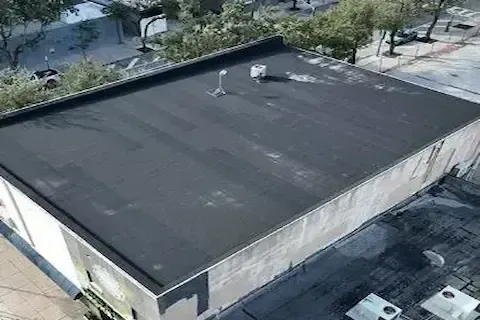
Commercial Roof Replacement for Plymouth MN Campuses
Commercial campus roof replacement represents one of the most significant infrastructure investments property managers face in Plymouth, Minnesota. The process demands careful coordination across multiple buildings, extensive planning phases, and strategic material selection to minimize operational disruption while maximizing long-term performance. Campus environments present unique challenges including occupied spaces, shared utilities, and the need for phased construction approaches that keep facilities operational throughout the replacement process.
Campus Roof Assessment and Scoping
Before beginning any commercial roof replacement project on a Plymouth campus, comprehensive assessment across all buildings establishes the foundation for successful execution. Professional roofing contractors conduct detailed inspections of each structure, documenting current membrane conditions, drainage systems, insulation levels, and structural integrity. This systematic approach reveals which buildings require immediate replacement versus those that can wait for future phases.
The scoping process involves core sampling to determine existing roof assembly compositions, thermal imaging to identify moisture intrusion patterns, and structural load calculations to verify capacity for new roofing systems. Commercial Roof Replacement specialists document these findings in comprehensive reports that serve as the blueprint for project planning and budget development.
Plymouth's climate patterns significantly influence assessment priorities, with freeze-thaw cycles causing accelerated deterioration in compromised membrane areas. Campus assessments must account for varying building ages, construction methods, and previous maintenance histories to create realistic replacement timelines and budget projections.
Multi-Building Project Phasing
Successful campus roof replacement requires strategic phasing that balances operational needs with construction efficiency. Most Plymouth commercial campuses benefit from a building-by-building approach that allows continued occupancy while work progresses. This methodology prevents total campus disruption and spreads financial impact across multiple budget cycles.
Phase planning considers several critical factors including seasonal weather windows, academic or business calendars, and inter-building dependencies. Critical facilities such as data centers, laboratories, or administrative buildings often receive priority scheduling to minimize operational risk. The phasing strategy also accounts for material delivery logistics, equipment staging areas, and waste removal coordination across the entire campus.
Weather-dependent scheduling becomes particularly important in Minnesota's variable climate. Most commercial roof replacement work occurs during the warmer months from May through October, requiring careful coordination to maximize productive time while managing multiple building schedules simultaneously.
Material Selection for Campus Environments
Campus roof replacement material selection must balance performance requirements, maintenance capabilities, and long-term cost considerations across multiple buildings. Single-ply membrane systems like TPO and EPDM dominate commercial campus applications due to their proven durability and relatively straightforward installation processes.
TPO membranes offer excellent heat-reflective properties and welded seam integrity, making them ideal for buildings with high cooling loads or energy efficiency requirements. The white surface reflects solar radiation, reducing cooling costs across campus facilities. Installation efficiency allows crews to complete individual buildings quickly, minimizing disruption to adjacent occupied spaces.
EPDM rubber roof basics demonstrate another popular campus solution, particularly for buildings requiring superior weather resistance and longevity. The synthetic rubber composition handles Minnesota's temperature extremes effectively while providing excellent chemical resistance for facilities housing laboratories or industrial processes.
Modified bitumen systems serve campus applications where enhanced puncture resistance or foot traffic durability are priorities. These multi-layer systems provide robust protection for buildings with rooftop equipment or regular maintenance access requirements. The installation process allows for detailed customization around complex roof penetrations common in campus environments.
Tenant and Occupancy Coordination
Campus roof replacement projects require extensive coordination with building occupants to maintain operations while ensuring safety throughout the construction process. Property managers must communicate project schedules well in advance, providing tenants with detailed timelines and potential disruption periods.
Noise management becomes critical in educational or office environments where concentration and learning activities continue during construction. Professional roofing contractors implement noise mitigation strategies including strategic work hour scheduling, sound barriers, and communication protocols that keep occupants informed of daily activities.
Dust and debris control protects interior spaces and maintains indoor air quality during replacement activities. Comprehensive protection protocols include HVAC system isolation, positive air pressure maintenance, and regular cleaning schedules that prevent construction materials from impacting occupied areas.
Parking and access coordination ensures continued campus operations while providing construction crews with necessary staging and material delivery areas. Temporary access routes, alternate parking arrangements, and emergency vehicle access must be maintained throughout the project duration.
Infrastructure and Utility Considerations
Campus roof replacement projects often intersect with complex utility systems that serve multiple buildings. HVAC equipment, electrical systems, and communication infrastructure require careful planning to maintain service continuity during construction activities.
Rooftop equipment relocation or protection demands coordination between roofing contractors and mechanical specialists to ensure proper disconnection, protection, and reconnection procedures. Critical systems may require temporary power or climate control solutions to maintain building operations during roof work.
Drainage system upgrades frequently accompany roof replacement on Plymouth campuses, addressing code changes and improving water management across connected buildings. New drainage designs consider future expansion needs and climate change precipitation patterns that may exceed original system capacities.
Communication system upgrades often coincide with roof replacement, providing opportunities to upgrade cellular equipment, internet infrastructure, or emergency communication systems while roof access is readily available.
Quality Control and Project Management
Large-scale campus roof replacement demands robust quality control systems that ensure consistent installation standards across all buildings. Professional project management coordinates multiple crews, material deliveries, and quality checkpoints to maintain schedule adherence and performance standards.
Daily progress reporting keeps property managers informed of project status while documenting completion milestones and any deviation from planned schedules. Weather delays, material issues, or unexpected conditions require immediate communication and revised scheduling to minimize overall project impact.
Third-party inspection services provide independent verification of installation quality, membrane integrity, and warranty compliance. These inspections occur at critical project phases including substrate preparation, membrane installation, and final completion to ensure long-term performance expectations are met.
Material tracking and documentation systems maintain detailed records of membrane lots, adhesive applications, and installation conditions for future warranty service or maintenance reference.
Financial Planning and Budget Management
Campus roof replacement projects require sophisticated financial planning that accounts for multi-building scope, phasing options, and long-term maintenance implications. Initial budgeting must consider all buildings requiring replacement within a reasonable timeframe to achieve economies of scale and consistent performance standards.
Financing options for large campus projects include traditional capital expenditure approaches, roof replacement loans, or energy efficiency financing programs that capture utility savings from improved insulation and reflective membrane systems. Many Plymouth commercial property owners leverage multiple funding sources to spread project costs while maintaining cash flow for other campus needs.
Warranty considerations significantly impact long-term financial planning, with system warranties ranging from 15 to 30 years depending on material selection and installation quality. Extended warranties provide budget predictability and protection against unexpected replacement costs during the warranty period.
Maintenance program integration ensures optimal return on roof replacement investment through proactive care and prompt attention to minor issues before they become costly problems.
Long-Term Campus Roofing Strategy
Successful campus roof replacement establishes the foundation for decades of reliable weather protection and operational efficiency. Plymouth commercial property managers who invest in comprehensive replacement programs position their facilities for sustained performance and predictable maintenance requirements.
The completed roof replacement provides an excellent opportunity to establish preventive maintenance programs that extend membrane life and protect the significant investment. Regular inspection schedules, prompt repair protocols, and professional maintenance contracts ensure optimal performance throughout the warranty period and beyond.
Energy efficiency improvements from new roofing systems contribute to operational cost savings that help justify the initial investment while supporting sustainability goals. Modern membrane systems and enhanced insulation packages reduce heating and cooling loads across the entire campus.
Future planning considerations include accommodation for solar installations, additional rooftop equipment, or building expansions that may impact roofing systems. Quality roof replacement provides the structural platform and access capabilities needed for future campus development projects.
If the full campus will not fit in a single capital year, our walkthrough of phased corporate campus roof replacement covers building sequencing, tenant calendars, and multi-year budget timing.
