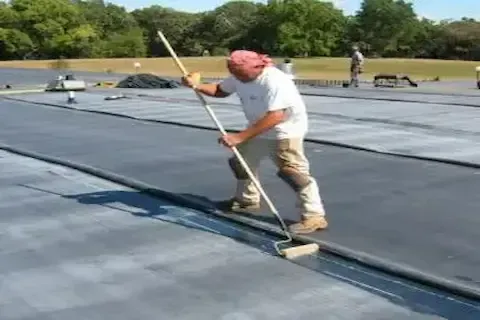
EPDM Flat Roofing for Plymouth MN Commercial Buildings
EPDM (Ethylene Propylene Diene Monomer) flat roofing represents one of the most reliable and cost-effective solutions for commercial buildings in Plymouth, Minnesota. This synthetic rubber membrane system has proven its worth across decades of Minnesota winters, offering exceptional durability against temperature extremes, UV exposure, and weather-related stress that commercial properties face throughout the Twin Cities metro area.
Commercial building owners in Plymouth benefit from EPDM's proven track record in harsh climates. The material's flexibility allows it to expand and contract with temperature fluctuations without cracking or splitting, making it particularly well-suited for Minnesota's dramatic seasonal changes. Unlike other roofing materials that may become brittle in sub-zero temperatures, EPDM maintains its integrity and performance characteristics year-round.
EPDM Membrane Composition and Performance Characteristics
EPDM roofing consists of a synthetic rubber compound formulated to resist weathering, ozone, and ultraviolet radiation. The membrane typically comes in two primary thicknesses: 45-mil and 60-mil, with the thicker option providing enhanced puncture resistance and longevity for high-traffic commercial applications.
The material's molecular structure includes ethylene, propylene, and a controlled amount of diene monomer, which creates cross-linking sites during the vulcanization process. This chemical composition results in a membrane that remains flexible at temperatures as low as -40°F, crucial for Plymouth's winter conditions where temperatures can plummet well below zero.
Color options for EPDM include traditional black and white formulations. Black EPDM absorbs solar energy, which can be beneficial for snow melting in winter months, while white EPDM reflects heat and reduces cooling costs during summer. The choice between colors depends on your building's energy efficiency goals and climate control requirements.
EPDM membranes demonstrate exceptional resistance to thermal shock, a common concern for commercial roofs exposed to rapid temperature changes. This characteristic proves invaluable during Plymouth's spring and fall seasons when temperature swings of 40-50 degrees within 24 hours are not uncommon.
Installation Methods and Attachment Systems
Three primary installation methods are available for EPDM commercial roofing systems: fully adhered, mechanically attached, and ballasted systems. Each method offers distinct advantages depending on building structure, local wind conditions, and budget considerations.
Fully adhered systems use contact cement or water-based adhesives to bond the EPDM membrane directly to the roof substrate. This method provides excellent wind uplift resistance and creates a smooth, professional appearance. The adhesive application requires precise timing and weather conditions, making proper installation critical for long-term performance.
Mechanically attached systems employ fasteners and plates to secure the membrane to the roof deck. This method offers faster installation and better performance in extreme weather conditions. The fastener pattern must be designed to meet local wind load requirements, particularly important for Plymouth's exposure to severe thunderstorms and occasional tornadoes.
Ballasted systems use river rock, concrete pavers, or other heavy materials to hold the EPDM membrane in place. While this method requires minimal fasteners, the additional structural load must be considered during design. Ballasted systems work well for buildings with adequate structural capacity and provide excellent protection against hail damage.
Seaming and Joint Technologies
EPDM seaming technology has evolved significantly, with modern systems offering superior reliability compared to earlier generations. Tape-applied seams use factory-manufactured seaming tape with pressure-sensitive adhesive, eliminating the need for liquid adhesives at joints.
The seaming process requires proper surface preparation and application techniques to achieve watertight joints. Seams must be positioned to shed water effectively, avoiding areas where ponding might occur. Critical seam locations include membrane overlaps, penetration details, and transitions to other roofing materials.
Quality control during seaming involves visual inspection and testing procedures to verify adhesion. Proper seam installation is crucial because seam failure represents the most common source of leaks in EPDM roofing systems. Professional installation ensures seams meet manufacturer specifications and local building codes.
Flashing and Penetration Details
Commercial buildings typically include numerous roof penetrations for HVAC equipment, electrical conduits, and plumbing vents. EPDM systems accommodate these penetrations through various flashing techniques and prefabricated components.
Pipe flashing boots made from EPDM material provide seamless integration with the main membrane. These components are designed to flex with building movement while maintaining watertight seals around cylindrical penetrations. Proper installation includes securing the boot to the pipe and sealing the base to the membrane.
Equipment curbs and larger penetrations require custom flashing details. EPDM's flexibility allows it to conform to complex shapes and transitions, but proper detailing is essential for preventing water infiltration. Flashing must extend appropriate distances up vertical surfaces and include adequate drainage provisions.
For commercial buildings in Plymouth, EPDM Roofing systems must account for ice dam formation and freeze-thaw cycles that can stress penetration details. Enhanced sealing and insulation around critical areas help prevent problems during extreme weather events.
Maintenance Requirements and Inspection Protocols
Regular maintenance preserves EPDM roofing performance and extends system lifespan. Maintenance activities include debris removal, drain cleaning, and seam inspection. The frequency of maintenance depends on building exposure, nearby vegetation, and local environmental conditions.
Semi-annual inspections should focus on seam integrity, flashing conditions, and drainage system function. Spring inspections help identify winter damage, while fall inspections prepare the roof for harsh weather ahead. Professional inspections provide detailed assessments and identify potential problems before they become costly repairs.
Cleaning procedures for EPDM involve removing organic growth, stains, and accumulated debris. Power washing can be effective but must use appropriate pressure settings to avoid membrane damage. Chemical cleaners designed specifically for EPDM help maintain appearance and performance without compromising material properties.
Puncture repair techniques for EPDM are straightforward and cost-effective. Small punctures can be repaired using patch materials and seaming tape, while larger damages may require professional assessment and repair. Quick response to damage prevents water infiltration and more extensive problems.
Energy Efficiency and Environmental Considerations
EPDM roofing contributes to building energy efficiency through reflective properties and insulation compatibility. White EPDM membranes can reduce cooling costs by reflecting solar radiation, while proper insulation installation beneath the membrane improves overall thermal performance.
The material's longevity reduces environmental impact through extended service life and recyclability. EPDM membranes can often be recycled into other rubber products at the end of their service life, supporting sustainable building practices for environmentally conscious commercial property owners.
Green roof compatibility allows EPDM systems to support vegetated roof installations. The membrane serves as a root barrier while providing waterproofing protection. This application supports stormwater management and urban heat island reduction initiatives increasingly popular in metropolitan areas like Plymouth.
Climate-Specific Performance in Plymouth Minnesota
Plymouth's continental climate presents unique challenges for commercial roofing systems. EPDM's performance characteristics align well with local conditions, including temperature extremes ranging from -30°F to 95°F, significant snow loads, and intense UV exposure during summer months.
Freeze-thaw cycles common in the Minneapolis-St. Paul region can stress roofing materials through expansion and contraction. EPDM's flexibility accommodates these movements without developing cracks or splits that might allow water infiltration. This characteristic proves particularly valuable during spring months when daily temperature fluctuations are most severe.
Snow load considerations affect EPDM installation and performance. The membrane's slip-resistant surface helps retain snow for insulation benefits while allowing controlled melting. Proper drainage design prevents ice dam formation and ensures adequate water removal during spring melts.
Hail resistance varies with membrane thickness and installation method. Ballasted systems provide excellent hail protection, while fully adhered systems rely on membrane thickness and substrate support. Plymouth's exposure to severe thunderstorms makes hail resistance an important consideration for commercial property owners.
Cost Analysis and Return on Investment
EPDM roofing offers favorable initial costs compared to many alternative commercial roofing systems. Material costs are typically lower than TPO or modified bitumen systems, while installation costs vary based on application method and project complexity. Understanding total system costs helps building owners make informed decisions.
Long-term value emerges through extended service life and minimal maintenance requirements. Well-installed EPDM systems commonly provide 20-30 years of reliable service with proper maintenance. This longevity, combined with low maintenance costs, creates attractive total cost of ownership calculations.
Energy savings potential depends on membrane color, insulation levels, and building usage patterns. White EPDM can reduce cooling costs by 10-15% compared to dark-colored alternatives, while proper insulation installation maximizes thermal performance benefits.
For building owners considering roof replacement options, TPO flat roofing essentials provide another single-ply membrane alternative with different performance characteristics and cost structures.
Professional Installation and Contractor Selection
EPDM installation requires specialized knowledge and experience to achieve optimal performance. Contractor selection should emphasize experience with EPDM systems, local climate understanding, and proven track records with commercial projects similar to your building.
Certification programs through EPDM manufacturers provide training and quality assurance for installation contractors. These programs ensure installers understand proper techniques, material handling, and quality control procedures essential for successful projects.
Weather conditions during installation significantly impact EPDM performance. Professional contractors understand optimal installation conditions and can adjust schedules accordingly. Temperature and humidity requirements vary by adhesive type and application method.
Warranty coverage typically includes both material and labor components. Understanding warranty terms, maintenance requirements, and exclusions helps building owners protect their investment and ensure long-term system performance.
Planning a long-term budget? See our breakdown of EPDM lifecycle costs for office park roofs, including install, repairs, and 30-year capital planning.
