TPO Flat Roofing for Plymouth Commercial Properties
TPO (Thermoplastic Polyolefin) flat roofing represents one of the most cost-effective and energy-efficient solutions for Plymouth commercial properties. This single-ply membrane system combines excellent weather resistance with superior reflective properties, making it particularly well-suited for Minnesota's challenging climate conditions. Understanding TPO's characteristics, installation requirements, and long-term performance factors helps property owners make informed roofing decisions that protect their investment while optimizing operational costs.
TPO Membrane Composition and Performance Characteristics
TPO membranes consist of thermoplastic polyolefin compounds reinforced with polyester or fiberglass scrim backing. This composition creates a flexible yet durable roofing system that maintains elasticity across wide temperature ranges. The membrane's molecular structure allows for heat-welded seams that form continuous waterproof barriers, eliminating the potential leak points common in mechanically fastened systems.
Modern TPO formulations incorporate UV stabilizers and antioxidants that prevent degradation from Minnesota's intense summer sun and harsh winter conditions. The membrane's thickness typically ranges from 45 to 80 mils, with thicker options providing enhanced puncture resistance for high-traffic rooftops or areas with mechanical equipment. Premium TPO products feature enhanced polymer blends that maintain flexibility even at subzero temperatures, crucial for Plymouth's winter climate.
The reflective properties of TPO membranes significantly impact building energy costs. Standard white TPO reflects 70-80% of solar radiation, reducing cooling loads during summer months. This reflectivity qualifies most TPO systems for Energy Star certification and potential utility rebates. Advanced formulations maintain their reflective properties over time, unlike some coating systems that may degrade or collect dirt.
Installation Methods and System Configurations
TPO installation methods vary based on building requirements, structural considerations, and budget constraints. Fully adhered systems use contact adhesive or bonding adhesive to secure the membrane directly to the substrate, providing maximum wind uplift resistance. This method works particularly well for Plymouth's high-wind conditions and creates a monolithic roofing system with excellent performance characteristics.
Mechanically attached TPO systems use plates and fasteners to secure the membrane through underlying insulation layers. This installation method typically costs less than fully adhered systems and allows for easier repairs or modifications. However, mechanical attachment creates penetration points that require careful sealing and may limit wind resistance compared to adhered systems.
Ballasted TPO installations use loose-laid membrane held in place by ballast materials like river rock or concrete pavers. While economical, ballasted systems require structural capacity to support the additional weight and may not be suitable for all Plymouth commercial buildings. The ballast also makes inspections and repairs more challenging since materials must be moved to access the membrane.
Insulation integration plays a critical role in TPO system performance. Polyisocyanurate (polyiso) insulation provides excellent R-value and moisture resistance when properly installed. XPS foam insulation offers superior compressive strength for high-traffic applications. The insulation attachment method must coordinate with the membrane installation to ensure system integrity and warranty compliance.
Quality Grades and Manufacturer Specifications
TPO membranes are available in multiple quality grades that affect both performance and cost. Standard-grade TPO provides basic weather protection suitable for low-slope applications with minimal foot traffic. These membranes typically carry 10-15 year warranties and represent the most economical option for budget-conscious projects.
Premium-grade TPO membranes feature enhanced polymer formulations, thicker cross-sections, and superior reinforcement materials. These systems often include extended warranties of 20-25 years and provide better performance in demanding applications. The additional cost typically pays for itself through reduced maintenance and longer service life.
Manufacturer specifications vary significantly across brands, making careful comparison essential. Key performance metrics include tensile strength, puncture resistance, tear strength, and dimensional stability. ASTM standards provide baseline requirements, but many manufacturers exceed these minimums. TPO Roofing specifications should align with building requirements and expected service conditions.
Color options beyond standard white include gray and tan alternatives that may suit specific architectural requirements. However, darker colors reduce reflective properties and may impact energy performance. Some manufacturers offer custom colors for large projects, though these typically require longer lead times and higher costs.
Installation Challenges and Critical Details
Proper substrate preparation determines TPO system success. The existing roof deck must provide a smooth, clean surface free from moisture, debris, and incompatible materials. Structural irregularities require correction before membrane installation to prevent stress concentrations that could lead to premature failure.
Seam welding represents the most critical installation aspect. Heat welding creates molecular bonds between membrane sheets that are often stronger than the base material. However, welding requires proper temperature control, pressure application, and overlap dimensions. Weather conditions significantly impact welding quality, with wind, temperature, and humidity all affecting results.
Flashing details at roof penetrations, edges, and transitions require specialized techniques and materials. TPO manufacturers provide specific flashing products designed for compatibility with their membrane systems. Generic or incompatible flashing materials can compromise system performance and void warranties. Complex penetrations may require custom fabrication or alternative detail designs.
Quality control during installation includes visual inspection, destructive seam testing, and electronic leak detection where specified. These measures help identify potential problems before they cause damage. Many Plymouth commercial property owners benefit from third-party inspection services that provide independent verification of installation quality.
Maintenance Requirements and Lifecycle Management
TPO maintenance programs should include biannual inspections focusing on seam integrity, flashing conditions, and membrane surface condition. Seasonal inspections allow early detection of problems before they require major repairs. Documentation of inspection findings helps track system performance and supports warranty claims when necessary.
Cleaning requirements vary based on building location and environmental conditions. Plymouth's urban environment may expose TPO membranes to airborne contaminants that reduce reflective properties over time. Gentle cleaning with appropriate detergents can restore appearance and energy performance. Pressure washing should be avoided as it can damage the membrane surface or force water into seam areas.
Puncture repairs require immediate attention to prevent water infiltration. Small punctures can often be repaired with TPO patches and appropriate adhesives. Larger damages may require membrane replacement in affected areas. Professional repair ensures proper material compatibility and maintains warranty coverage.
Preventive maintenance includes keeping drains clear, removing debris accumulation, and protecting membrane areas from mechanical damage. commercial roof inspection fundamentals provide systematic approaches for maintaining TPO systems throughout their service life.
Cost Analysis and Budget Planning
TPO installation costs vary based on system complexity, membrane quality, and project size. Material costs typically represent 40-50% of total project cost, with labor and related components comprising the remainder. Larger projects generally achieve better per-square-foot pricing due to economies of scale and reduced mobilization costs.
Lifecycle cost analysis should consider energy savings, maintenance requirements, and expected service life. TPO's reflective properties can significantly reduce cooling costs, particularly for buildings with substantial roof area relative to interior space. Energy savings may offset higher initial costs for premium TPO systems over their service life.
Warranty coverage affects long-term costs through protection against material defects and premature failures. Standard warranties typically cover material replacement but may exclude labor costs for repairs. Extended warranties or system warranties that include installation may provide better protection but require higher initial investment.
Financing options for TPO installations include traditional loans, equipment financing, and energy-efficiency programs. Some utility companies offer rebates for reflective roofing systems that qualify under energy efficiency standards. Tax incentives may also be available for qualifying commercial roofing improvements.
Local Climate Considerations for Plymouth Applications
Minnesota's climate presents specific challenges for TPO roofing systems. Temperature cycling between extreme cold and summer heat stresses membrane materials and attachment systems. TPO's thermoplastic properties help it accommodate these temperature changes better than many alternative materials.
Snow loading affects both structural requirements and membrane performance. Heavy snow accumulation can stress seam areas and create ice dam conditions at roof edges. Proper insulation and vapor barrier design help prevent condensation issues that could compromise system performance during heating seasons.
Wind resistance becomes critical during Minnesota's severe weather events. TPO systems must meet local building code requirements for wind uplift resistance. Attachment methods and edge details require careful design to handle Plymouth's wind conditions while maintaining watertight integrity.
Hail resistance varies among TPO products and installation methods. Some premium TPO membranes include impact-resistant formulations designed for hail-prone regions. Protective pavers or walkway systems can provide additional protection for critical roof areas while maintaining access for maintenance activities.
Professional Installation and Contractor Selection
TPO installation requires specialized knowledge and equipment that goes beyond general roofing experience. Certified installers must understand membrane welding techniques, proper adhesive application, and manufacturer-specific details. Training certifications from TPO manufacturers provide evidence of installer competency and may be required for warranty coverage.
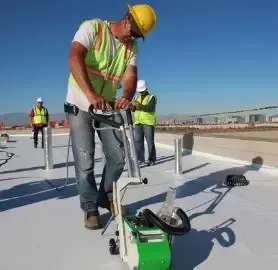
Equipment requirements for TPO installation include hot-air welders, seam rollers, and testing devices for quality verification. Contractors must maintain calibrated equipment and follow manufacturer protocols for welding parameters. Proper tools and techniques directly impact seam quality and long-term system performance.
Local contractor selection should consider experience with Plymouth climate conditions and commercial roofing requirements. References from similar projects and manufacturer relationships provide insight into contractor capabilities. Insurance coverage and bonding protect property owners from potential installation problems or contractor default.
Project management capabilities become important for larger commercial installations that must minimize business disruption. Experienced contractors coordinate material deliveries, weather windows, and crew scheduling to complete projects efficiently. Clear communication and progress reporting help property owners plan around construction activities.
Deciding between membranes? Our side-by-side on TPO vs EPDM for corporate office campus roofs compares reflectivity, cold performance, and lifecycle cost.
Planning around a replacement cycle? See how long TPO roofing lasts on Plymouth commercial buildings, including how membrane thickness, seam quality, and maintenance history move the number.
