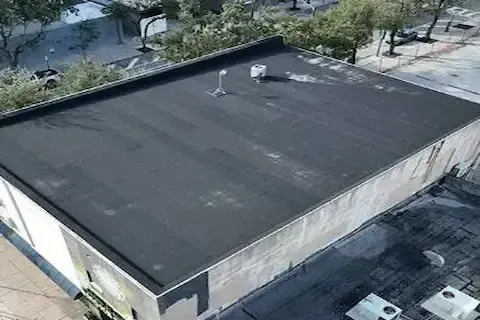
Fall Commercial Roof Replacement Window Plymouth MN
Plymouth, MN sits in a climate zone that gives commercial property owners a narrow but workable opportunity each fall to complete a full roof replacement before winter shuts down viable installation conditions. The window typically opens in late August as summer heat breaks and closes somewhere between late October and early November, depending on how early the first hard freeze arrives. If you manage or own a commercial building in Plymouth and you have been watching your roof deteriorate through another summer, that fall window is your most practical path to a finished job before the ground hardens and temperatures drop below the threshold for adhesive bonding and membrane seaming.
Why Fall Timing Works in Plymouth
Commercial roofing systems, particularly low-slope assemblies with TPO, EPDM, or modified bitumen membranes, require consistent temperatures above 40 degrees Fahrenheit during installation and through the initial cure period. Plymouth's fall season typically delivers those conditions reliably through late October. Daytime highs stay in the 50s and 60s well into the season, crews can work full days without heat-related delays, and the lower humidity compared to summer months actually improves adhesion quality for fully adhered membrane systems.
Roof replacement in fall also avoids the spring backlog. Minnesota winters leave behind a full queue of emergency repairs and deferred replacements that flood roofing contractor schedules every March through June. Property owners who wait until spring often find themselves three or four months behind where they expected to be, running through another summer on a compromised roof. Locking in a fall replacement means you are ahead of that cycle entirely.
The Realistic Installation Window by the Numbers
From a scheduling standpoint, the usable fall window in Plymouth runs roughly ten to twelve weeks. Subtract weekends, any rain days that push back membrane work, and the occasional early cold snap that temporarily halts adhesive application, and you are looking at a practical working window closer to eight to nine weeks of reliable installation time. That is enough to complete most single-building re-roofs comfortably, but it requires that contracts, material orders, and crew scheduling are locked in before September starts.
Material lead times add pressure. TPO and EPDM membrane rolls, insulation board, and specialty fasteners can run four to six weeks from order to delivery during peak fall demand. If you are starting conversations with contractors in mid-September, you may already be pushing the edge of that installation window for anything beyond a simple surface replacement. The property owners who come through fall replacement projects on schedule are almost always the ones who started planning in July or August.
What Gets Done in a Fall Commercial Re-Roof
A commercial roof replacement typically involves stripping the existing membrane system down to the deck, inspecting and repairing the structural deck where needed, installing a new insulation layer to meet current energy code requirements, and applying the new membrane system with all associated flashings, penetrations, drains, and edge metal. On a Plymouth commercial building, that scope needs to be coordinated around tenant operations, loading dock access, rooftop equipment lockouts, and any interior work that ties into the roofing system.
Fall conditions actually help with some of this coordination. Building occupants are typically back in full operation after summer vacations, which means you have better communication with tenants about temporary access restrictions. Cooler temperatures also reduce the discomfort of working around open roof areas during tear-off, which is a practical consideration for first-floor tenants in office and retail buildings along Plymouth's commercial corridors near Highway 55 and County Road 73.
How to Lock In Crews Before Winter Shutdown
Demand for qualified commercial roofing crews in the Minneapolis-Plymouth metro peaks every fall. Contractors with strong track records on commercial work are frequently booked four to six weeks out by early September. If you want your project on a crew's fall schedule, you need to have your scope defined, your budget approved, and your contract signed before that September window closes.
Start by scheduling a formal roof assessment in July or August to establish the full replacement scope. This gives your chosen contractor enough time to order materials, assign crews, and sequence your project alongside their other fall commitments. Ask specifically about crew availability, not just contract signing dates. A signed contract with materials on backorder and no crew assigned is not a secured project. For Commercial Roof Replacement projects, the scheduling conversation is just as important as the technical specification conversation.
What Happens If the Window Closes Before Work Is Complete
Contractors and property owners in Plymouth occasionally face situations where a re-roof is partially complete when temperatures drop unexpectedly. This is manageable with proper planning but creates real complications. Membrane seaming cannot be completed in sustained temperatures below 40 degrees without specialized equipment, temporary heat sources, and extended cure time verification. These measures add cost and slow the work considerably.
If the weather window closes before the project is finished, the exposed deck and partially installed insulation must be temporarily covered and secured against snow load and moisture infiltration. That temporary protection adds cost and extends the project timeline into spring for the final membrane work. It is a scenario you want to avoid entirely, and the best way to avoid it is to start early enough that the full scope can be completed with a comfortable buffer before the first hard freeze forecast arrives in Plymouth.
Planning Fundamentals That Support Fall Execution
Successful fall commercial re-roofing requires more than good timing. You need a clear scope document, an accurate budget with a contingency for deck repairs discovered during tear-off, tenant notification plans, and coordination with your property insurer regarding the coverage transition period during active construction. Plymouth commercial properties near Bass Lake Road and Vicksburg Lane that have multiple tenants or complex rooftop mechanical systems will also need an MEP coordination plan to manage equipment disconnection and reconnection around membrane installation.
If you want to understand the broader planning framework before getting into contractor conversations, reviewing commercial re-roofing planning fundamentals gives you a solid foundation for the conversations ahead. The property owners who navigate fall replacement windows most successfully are the ones who treat the planning phase as seriously as the construction phase itself.
Closing Perspective
The fall commercial roof replacement window in Plymouth MN is real, it is reliable, and it is finite. Property owners who start early, secure crews before September demand peaks, and allow buffer time for weather delays consistently complete projects before winter. Those who wait for the right moment often find themselves watching the first snowfall from under a temporary tarp. The practical advice is simple: if your roof needs replacing, treat August as your deadline for getting the planning done, not for starting it.
