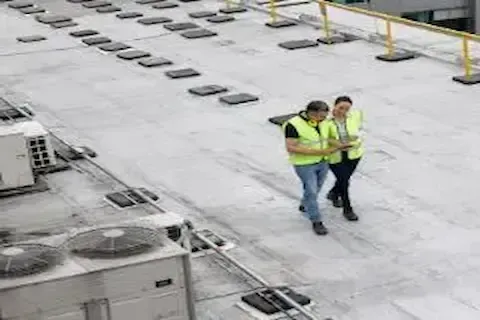
Hennepin County Commercial Roof Inspection Checklist
Essential Components of a Hennepin County Commercial Roof Inspection
Hennepin County commercial property owners face unique challenges when maintaining their roofing systems. Weather extremes, from harsh Minnesota winters to intense summer storms, demand thorough inspection protocols that address local conditions. A comprehensive roof inspection checklist ensures you identify potential problems before they become costly repairs or threaten business operations.
Professional Commercial Roof Inspection services follow systematic approaches that cover structural integrity, weatherproofing, and compliance with local building codes. Understanding what inspectors examine helps you maintain your investment and avoid unexpected failures during critical business periods.
Drainage System Evaluation
Proper drainage represents the foundation of commercial roof longevity in Hennepin County. Inspectors examine gutters, downspouts, and internal drains for blockages, corrosion, or improper installation. Standing water creates multiple problems, from structural damage to accelerated membrane deterioration.
Roof drains require clear pathways to function effectively. Debris accumulation, especially leaves and ice during Plymouth's seasonal transitions, can overwhelm drainage capacity. Inspectors check drain screens, verify proper slope toward outlets, and examine overflow provisions that protect your building during heavy precipitation events.
Scupper locations and sizing receive particular attention during inspections. These emergency drainage features must comply with Minnesota building codes and provide adequate capacity for extreme weather scenarios common in the metro area.
Membrane and Surface Conditions
Commercial roofing membranes face constant exposure to temperature fluctuations, UV radiation, and precipitation. Inspectors document surface conditions including punctures, tears, blistering, or excessive granule loss on modified bitumen systems. Each membrane type requires specific evaluation criteria.
Single-ply membrane systems need careful examination of seams and attachment points. Heat welding integrity, mechanical fastener patterns, and edge terminations all affect weatherproofing performance. Inspectors use specialized equipment to verify seam strength and identify potential failure points before leaks develop.
Built-up roofing systems common on older Hennepin County commercial buildings require evaluation of felt layer adhesion, surface coating condition, and aggregate distribution. Thermal cycling from Minnesota's climate extremes can cause splitting or displacement that compromises waterproofing.
Flashing and Penetration Assessment
Roof penetrations create the most vulnerable points for water infiltration. HVAC equipment, vent stacks, skylights, and utility lines all require properly installed and maintained flashing systems. Inspectors examine base flashing, counter flashing, and sealant conditions around each penetration.
Parapet walls and roof edges demand special attention during inspections. Coping stones, cap flashing, and wall tie-ins must maintain weatherproof seals while accommodating building movement. Plymouth's freeze-thaw cycles can open gaps that allow moisture penetration into wall systems.
Structural and Safety Considerations
Commercial roof inspections include structural assessments that verify load-bearing capacity and identify potential safety hazards. Inspectors examine roof deck conditions, support beam integrity, and any signs of deflection or movement that could indicate structural problems.
Snow load considerations play a critical role in Hennepin County inspections. Roof structures must handle accumulated snow weights specified by local building codes. Inspectors look for signs of stress, inadequate support, or modifications that might compromise load distribution.
Fall protection systems and roof access safety receive thorough evaluation. OSHA requirements and Minnesota workplace safety regulations mandate specific safety measures for roof maintenance access. Inspectors verify guardrail systems, anchor points, and warning line installations meet current standards.
Understanding commercial roof inspection fundamentals helps property managers prepare for professional evaluations and maintain compliance with insurance requirements.
Common Inspection Findings and Red Flags
Experienced inspectors frequently encounter similar problems across Hennepin County commercial properties. Ponding water represents the most common issue, often resulting from inadequate slope, blocked drains, or structural settling. Even minor ponding accelerates membrane deterioration and creates leak risks.
Improper maintenance practices cause many preventable problems. Walking on fragile membrane systems, using inappropriate cleaning methods, or attempting DIY repairs often create more damage than the original issues. Professional inspectors document maintenance-related damage and recommend proper procedures.
HVAC equipment installations without proper roofing coordination frequently cause problems. Units placed directly on membranes, inadequate vibration isolation, or missing walkway systems all contribute to premature roof failures. Inspectors evaluate equipment placement and recommend protective measures.
Age-Related Deterioration Patterns
Different roofing systems show predictable wear patterns based on age and environmental exposure. Inspectors use this knowledge to prioritize repair recommendations and estimate remaining service life. Understanding deterioration timelines helps property owners plan replacement budgets effectively.
Thermal shock from rapid temperature changes affects all roofing materials but particularly impacts older systems with reduced flexibility. Inspectors look for cracking, splitting, or membrane shrinkage that indicates thermal stress damage requiring attention.
Local Climate and Environmental Factors
Hennepin County's continental climate creates specific challenges for commercial roofing systems. Temperature ranges from below-zero winter conditions to summer heat exceeding 90 degrees place extreme demands on roofing materials. Inspectors understand these local conditions and evaluate roof performance accordingly.
Ice dam formation represents a particular concern for Plymouth commercial buildings. Inspectors examine insulation adequacy, ventilation systems, and edge conditions that contribute to ice dam development. Proper evaluation prevents damage from ice buildup and associated water infiltration.
Wind exposure varies significantly across the county, with open areas experiencing higher wind loads than sheltered locations. Inspectors assess wind damage potential and verify that roofing systems meet local wind resistance requirements specified by building codes.
Documentation and Reporting Standards
Professional roof inspections generate comprehensive reports that document current conditions, identify problems, and recommend corrective actions. Detailed photography supports written findings and provides baseline documentation for future inspections. Property owners receive prioritized repair recommendations with cost estimates.
Insurance requirements often specify inspection frequency and reporting standards. Many policies require annual inspections with detailed documentation to maintain coverage. Understanding insurance expectations helps property owners select appropriate inspection services and maintain policy compliance.
Warranty compliance may depend on regular inspection documentation. Many roofing system warranties require professional inspections to identify problems early and prevent warranty voidance. Proper documentation protects warranty coverage and supports claims when necessary.
