Modified Bitumen vs TPO for Plymouth Office Campuses
When a Plymouth office campus is due for a new flat roof, the choice between modified bitumen and TPO shapes decisions about installation timing, long-term maintenance, warranty coverage, and lifecycle cost. Both systems have earned their place in commercial roofing, but they perform differently under the same Minnesota sky, and the right answer depends on the specifics of your building, your budget, and how long you plan to own or operate the property. Understanding the material differences before you sit down with a contractor puts you in a much stronger position to evaluate bids and ask the right questions.
What Each System Is Made Of
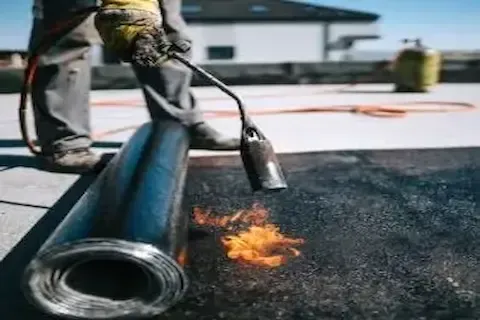
Modified bitumen is an asphalt-based membrane reinforced with polyester or fiberglass mats and modified with either APP (atactic polypropylene) or SBS (styrene-butadiene-styrene) polymers. SBS modification gives the material a rubber-like flexibility that holds up especially well in cold climates. APP modification produces a harder, more heat-resistant membrane typically installed with a torch. Most systems use two or three plies, which is why the material has a reputation for being genuinely thick and redundant.
TPO, or thermoplastic polyolefin, is a single-ply membrane made from polypropylene and ethylene-propylene rubber. It is manufactured in rolls, installed with mechanical fasteners, adhesive, or ballast, and seamed together with hot-air welding equipment. TPO gained market share quickly because it reflects solar energy, installs relatively fast, and carries a lower material cost than many comparable systems. Modern TPO formulations have also improved significantly compared to early versions that had seam and weathering problems.
Cold-Weather Installation and Performance
Plymouth winters are not forgiving. Temperatures regularly drop below freezing from November through March, and wind chill can complicate any exterior work. This matters for installation because TPO adhesive systems require temperatures above 40°F to cure correctly. Mechanically fastened TPO can be installed in colder conditions, but adhesive-set and fully-adhered TPO installations need careful temperature management. If a project runs into a cold snap, TPO installation may need to pause.
Modified bitumen torch-down systems are less sensitive to cold temperatures during installation. The heat from the propane torch is part of the process, and SBS modified bitumen membranes remain pliable in cold conditions rather than cracking during application. For office campuses with hard project deadlines or facilities managers trying to close a roof before winter sets in, modified bitumen can offer more scheduling flexibility.
In terms of long-term performance in cold climates, SBS modified bitumen handles freeze-thaw cycles effectively because of its rubber-polymer composition. TPO is also rated for cold climates, but the quality of welded seams is critical—a seam that was welded in marginal conditions or by an inexperienced installer is a liability once Minnesota freeze-thaw cycles begin working on it year after year.
Puncture Resistance and Foot Traffic Tolerance
Office campuses frequently have HVAC equipment, satellite dishes, exhaust systems, and other rooftop installations that require periodic maintenance. That means foot traffic. Modified bitumen has a clear advantage in puncture resistance simply because of its thickness and multi-ply construction. A two-ply SBS system gives you layered protection, so a dropped tool or careless step is less likely to penetrate the waterproofing layer.
TPO single-ply membranes are thinner by nature. Standard commercial TPO runs between 45 and 80 mil in thickness. While 60 and 80 mil TPO holds up well in most conditions, it is inherently less forgiving of impact damage than a two- or three-ply modified bitumen system. If your Plymouth office campus has regular rooftop access by HVAC technicians or building engineers, modified bitumen's resistance to physical damage is a meaningful advantage.
One option worth discussing with your contractor is installing walk pads over high-traffic zones regardless of which membrane system you choose. They add modest cost but substantially reduce wear in the areas that see the most activity.
Lifecycle Cost and Maintenance Comparison
Modified bitumen typically carries a higher upfront installed cost than TPO because it requires more labor, especially for torch-down applications, and more material due to the multi-ply design. However, its longer service life and lower maintenance requirements can make it more cost-effective over a 20- to 30-year horizon. SBS modified bitumen roofs that are properly installed and periodically inspected routinely last 25 to 30 years on commercial buildings. For Modified Bitumen Roofing systems on Plymouth office campuses, that durability can justify the higher initial investment when the building has a long ownership horizon.
TPO's lower installed cost makes it attractive for facilities budgets with near-term constraints. A well-installed TPO roof from a reputable manufacturer can last 20 to 25 years with proper maintenance. The seams are the critical variable—if they hold, the membrane holds. Annual inspections that check seam integrity and flashings are the most cost-effective maintenance approach for a TPO roof.
Energy savings are often cited in favor of TPO because of its white reflective surface. In a Plymouth climate, however, this calculation is more nuanced than in warmer states. The reflective benefit reduces cooling loads in summer but provides no insulating value in winter. Modified bitumen in darker colors can absorb heat in winter months, which may modestly reduce heating loads in a climate that is heating-dominated. Neither system dramatically moves the needle on energy costs compared to proper insulation below the membrane.
Warranty Structures for Office Campus Owners
Both systems are available with manufacturer-backed warranties when installed by certified contractors. Understanding the difference between a material-only warranty and a no-dollar-limit (NDL) warranty matters significantly for a large office campus. A material-only warranty covers product defects but not installation labor. An NDL warranty, offered by most major manufacturers on both TPO and modified bitumen systems, covers both materials and labor costs for repairs within the warranty period.
Warranty terms typically range from 10 to 30 years depending on membrane thickness, insulation requirements, and the installer's certification level. For a Plymouth office campus with multiple buildings or a large single roof area, negotiating for an NDL warranty is worth the modest premium in system cost. Before reviewing bids, it is useful to understand modified bitumen roofing fundamentals so you can ask informed questions about warranty eligibility and system configuration.
Local Considerations for Plymouth Properties
Plymouth's building stock includes a significant number of multi-tenant office parks and single-use corporate campuses developed from the 1980s through the 2000s. Many of these buildings are at or past the age where original roofing systems are due for replacement rather than repair. Roof slopes on these properties are typically low—between ¼ inch and ½ inch per foot—which is where both modified bitumen and TPO perform best.
Plymouth also sits in a climate zone where hail is a seasonal risk. Modified bitumen's multi-ply construction gives it a natural advantage in hail resistance, and SBS membranes have performed well in impact resistance testing. TPO can be hail-resistant at heavier mil weights, but this is worth confirming with your contractor based on current products and manufacturer ratings. Local roofers who work regularly in Plymouth and the broader west metro understand these regional conditions and can specify systems that account for the full range of seasonal stressors the roof will face.
Making the Right Call for Your Campus
There is no universal correct answer between modified bitumen and TPO for Plymouth office campuses. If your priority is puncture resistance, scheduling flexibility in cold weather, and long-term durability with minimal seam risk, modified bitumen earns the edge. If budget constraints, energy reflectivity in summer, and a faster installation timeline are the driving factors, TPO is a proven and practical choice. The best outcome comes from working with a contractor who can walk your roof, assess the existing deck and insulation, and match a system to the actual demands of your building rather than defaulting to whichever membrane the crew installed last week.
