Modified Bitumen Roofing for Plymouth MN Commercial
Understanding Modified Bitumen Roofing Systems
Modified bitumen roofing represents one of the most reliable flat roofing solutions for commercial properties throughout Plymouth, Minnesota. This advanced roofing system combines traditional asphalt with modern polymer modifiers to create a membrane that offers superior flexibility, durability, and weather resistance compared to conventional built-up roofs.
The system consists of multiple layers of modified bitumen sheets that are either torch-applied, cold-applied, or self-adhered to create a continuous waterproof barrier. Plymouth's varied weather conditions, from harsh winters with ice dams to summer storms, make modified bitumen an ideal choice for commercial buildings that need long-term protection without frequent maintenance interruptions.
Two primary types of polymer modifiers are used in modified bitumen systems: SBS (Styrene-Butadiene-Styrene) and APP (Atactic Polypropylene). Each offers distinct advantages depending on your building's specific requirements, climate exposure, and budget considerations. Understanding these differences helps property managers make informed decisions about their roofing investments.
SBS Modified Bitumen Systems
SBS modified bitumen, often called "rubber modified," incorporates synthetic rubber polymers that provide exceptional flexibility and elongation properties. This system maintains its flexibility even in Plymouth's sub-zero winter temperatures, reducing the risk of thermal stress cracking that can compromise roof integrity.
The installation process for SBS systems typically involves cold adhesive application or self-adhering membranes, making it safer than torch-down methods while still providing excellent adhesion. The rubber-like properties allow the membrane to expand and contract with temperature fluctuations without losing its waterproof seal.
SBS systems excel in applications where the roof experiences significant thermal movement or where building vibrations from HVAC equipment or foot traffic require a flexible membrane. The material's ability to bridge minor substrate imperfections makes it particularly suitable for retrofit applications over existing roof systems.
Typical warranties for SBS systems range from 15 to 25 years, with some manufacturers offering extended warranties when installed by certified contractors. The longevity of these systems in Minnesota's climate has been proven through decades of successful installations across the Twin Cities metropolitan area.
APP Modified Bitumen Applications
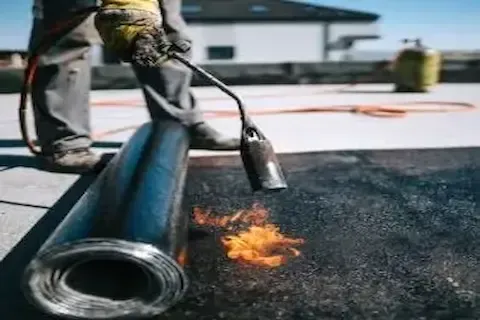
APP modified bitumen systems utilize plastic polymer modifiers that create a membrane with excellent resistance to UV radiation and chemical exposure. These systems are typically installed using torch-down application methods, where propane torches heat the membrane bottom to create a strong bond with the substrate.
The torch-down installation process requires skilled technicians who understand proper heating techniques and safety protocols. When correctly applied, APP systems create seamless joints that effectively prevent water infiltration, making them particularly suitable for complex roof geometries with multiple penetrations or level changes.
APP systems demonstrate superior resistance to standing water, making them ideal for roofs with minimal slope or areas where drainage may be temporarily compromised. The material's stability under continuous moisture exposure helps prevent premature degradation that can affect other roofing systems.
Professional installation is crucial for APP systems, as improper torch application can damage the membrane or create fire hazards. Modified Bitumen Roofing specialists ensure proper installation techniques while maintaining strict safety standards throughout the process.
Installation Methods and Techniques
Modified bitumen installation methods vary based on the specific product selected and building requirements. Cold-applied systems use adhesives or primers to bond membranes to the substrate, eliminating fire risks associated with torch application while providing reliable adhesion in most weather conditions.
Self-adhering systems feature factory-applied adhesive backing protected by release paper, allowing for clean, efficient installation without additional adhesives or heat sources. These systems work well for occupied buildings where minimizing disruption and eliminating odors are important considerations.
Heat-welded systems use specialized equipment to create thermally fused seams between membrane sheets, resulting in joints that are often stronger than the membrane itself. This method provides excellent long-term reliability but requires experienced technicians with proper equipment and training.
Multi-ply systems combine base sheets with cap sheets to create redundant waterproofing layers. The base sheet provides structural stability and vapor barrier properties, while the cap sheet offers weather protection and UV resistance. This approach maximizes system longevity and provides backup protection if the top layer experiences damage.
Climate Considerations for Plymouth Properties
Minnesota's continental climate presents unique challenges for commercial roofing systems, with temperature variations exceeding 140 degrees Fahrenheit between summer and winter extremes. Modified bitumen systems address these challenges through their engineered flexibility and thermal stability properties.
Winter ice dam formation poses significant risks to commercial flat roofs throughout Plymouth and surrounding communities. Modified bitumen systems with proper insulation and vapor barriers help prevent ice dam formation while providing reliable waterproof protection when ice dams do occur on adjacent structures.
Spring snowmelt creates rapid moisture loading that tests roofing system drainage capacity and membrane integrity. The seamless nature of properly installed modified bitumen systems prevents water infiltration during these critical periods when roof loads are highest.
Summer heat exposure can degrade inferior roofing materials through UV radiation and thermal cycling. Modified bitumen cap sheets incorporate UV-resistant granule surfaces or reflective coatings that protect the underlying membrane while reducing cooling costs for the building below.
Maintenance and Longevity Factors
Regular maintenance programs significantly extend modified bitumen system life while preventing minor issues from developing into costly repairs. Bi-annual inspections identify potential problems before they compromise building protection, allowing for proactive maintenance rather than emergency repairs.
Granule loss from cap sheets indicates normal weathering but should be monitored to determine when preventive maintenance or coating applications might be beneficial. commercial roof repair essentials include understanding these early warning signs and addressing them appropriately.
Seam integrity requires periodic inspection, particularly around roof penetrations, perimeter areas, and equipment curbs where movement and weathering stresses concentrate. Professional contractors can perform non-destructive testing to verify seam integrity without damaging the membrane.
Drainage system maintenance prevents standing water that can accelerate membrane degradation and create structural loading issues. Keeping drains, gutters, and downspouts clear ensures proper water removal and extends system life significantly.
Cost Analysis and ROI Considerations
Initial installation costs for modified bitumen systems typically fall between premium single-ply membranes and built-up roof systems, providing excellent value for buildings requiring long-term reliability. The system's proven track record reduces lifecycle costs through extended service life and predictable maintenance requirements.
Energy efficiency benefits vary based on cap sheet selection, with reflective surfaces reducing cooling loads during Plymouth's warm summer months. These energy savings contribute to positive return on investment while improving occupant comfort and reducing HVAC system strain.
Insurance considerations favor modified bitumen systems due to their fire resistance ratings and proven weather performance. Some insurers offer premium reductions for buildings with properly installed and maintained modified bitumen roofs, particularly when installed by certified contractors with proper warranties.
Financing options through manufacturer programs or roofing contractors can improve cash flow while ensuring quality installation. Extended warranties often require specific maintenance protocols but provide additional protection for the building owner's investment.
Professional Installation Standards
Contractor selection significantly impacts modified bitumen system performance and longevity. Certified installers demonstrate proficiency in proper installation techniques while maintaining manufacturer warranty requirements that protect building owners' investments.
Quality control measures during installation include substrate preparation verification, adhesion testing, and seam inspection protocols that ensure system integrity. Professional contractors document these procedures to support warranty claims and future maintenance planning.
Safety protocols for modified bitumen installation protect workers and building occupants while preventing property damage. Torch-down applications require fire watches, permit compliance, and specialized insurance coverage that professional contractors maintain as standard practice.
Project scheduling considers weather conditions, building occupancy requirements, and material delivery logistics to minimize disruption while ensuring optimal installation conditions. Experienced contractors coordinate these factors to complete projects efficiently while maintaining quality standards.
Weighing the two systems against each other? Our side-by-side on modified bitumen vs TPO for Plymouth office campuses compares puncture resistance, cold-weather installation, and lifecycle cost.
