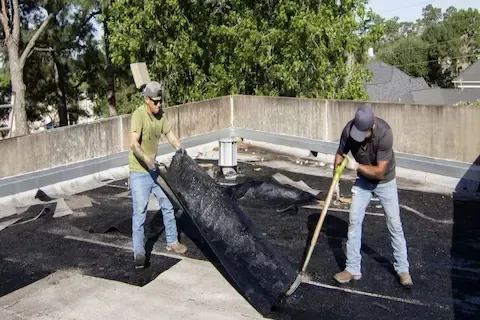
Winter Storm Emergency Roof Leaks Plymouth MN Buildings
Plymouth winters hit commercial roofs hard. Between December and March, building owners and facility managers across Plymouth, MN deal with a concentrated set of roofing failures that don't show up during warmer months. Ice damming, frozen drain lines, membrane stress from thermal cycling, and the sheer weight of accumulated snow all create conditions where a roof that performed fine in October becomes a liability by February. Understanding what causes winter storm roof leaks on commercial buildings — and knowing the right first response steps — can mean the difference between a controlled repair and a full interior shutdown.
Why Winter Storm Roof Leaks Happen on Commercial Buildings
Flat and low-slope commercial roofs in Plymouth are especially vulnerable to winter weather because they don't shed snow and ice the way residential pitched roofs do. Instead, precipitation accumulates and sits. As temperatures fluctuate above and below freezing — a pattern Plymouth sees regularly in January and February — that accumulated snow goes through repeated melt-freeze cycles that stress roofing membranes, open up seams, and block drainage pathways.
The three primary failure mechanisms in Plymouth commercial roofs during winter storms are ice damming along parapet walls and membrane edges, frozen interior and exterior roof drains, and snow load stress that exceeds the design limits of older buildings. Each one creates a different type of leak signature and requires a different first response. Knowing which one you're dealing with helps you prioritize resources before a contractor arrives on site.
Ice Damming on Commercial Roofs
Ice damming on a commercial flat roof works differently than what you see on residential homes. Instead of forming at the eave line, commercial ice dams typically build up around parapet walls, equipment curbs, HVAC units, and any penetration point where heat escapes from the building interior and warms the membrane surface unevenly. When that warmed area melts and the meltwater travels to a colder zone — a parapet base, a drain area, or a seam near the edge — it refreezes. That ice mass then backs water up under the membrane or into open seams.
If you're seeing water intrusion near the interior perimeter walls of your Plymouth building after a heavy snow event, ice damming is likely the cause. You may also notice ice ridges building up on the visible portions of your parapet walls from ground level. This is not a situation to ignore and revisit in spring. Active ice damming can force substantial water volumes into wall assemblies and insulation, causing damage far beyond what the initial ceiling stain suggests.
Frozen Roof Drains and Internal Drain Lines
Commercial buildings in Plymouth use interior roof drain systems that run through the building envelope to connect roof-level drainage to the municipal storm system. Unlike surface gutters, these drains are warm enough to remain functional in most conditions — but the drain body itself, the dome strainer, and the drain leader at roof level can ice over during extended cold snaps or after freezing rain events.
When a roof drain freezes, water has nowhere to go. It ponds, and on a flat roof with any deflection or low spots, it ponds deep. A two-inch-deep pond of water across a 10,000-square-foot roof represents tens of thousands of pounds of load that the building was not necessarily designed to carry indefinitely. Beyond the structural concern, standing water under freeze-thaw pressure finds every weak point in a membrane: seams, flashings, penetrations, and any area with prior repair history.
Checking roof drains after major snow events is a routine that pays for itself quickly in Plymouth's climate. If you can safely access the roof, clearing drain domes of ice and debris is a first-response action that removes immediate risk while you coordinate professional assessment.
Snow Load Stress and Membrane Fatigue
Plymouth typically receives 50 to 60 inches of snow annually, and commercial roofs that haven't had their membrane inspected in several years are vulnerable to stress failures when that accumulation peaks. Heavy wet snow events — the kind that occur when temperatures hover around 30 to 33 degrees — deposit far more weight per inch of depth than lighter, drier snow. A single storm can push roof loads significantly.
Membrane fatigue from snow load usually doesn't present as a dramatic failure. Instead, you'll see a pattern of small, distributed leaks appearing simultaneously across the roof field. Seams that were borderline open pull apart under added weight. Field patches from previous repairs lift at the edges. Flashings around rooftop equipment shift slightly and break their seal. The Emergency Roof Repair response in these cases involves both temporary interior protection and a systematic membrane inspection once the snow load is reduced to safe levels.
First Response Priorities When You Have an Active Leak
If you're dealing with an active roof leak during or after a Plymouth winter storm, the priority sequence matters. Start with interior protection: move inventory, equipment, and anything water-sensitive away from the affected area. Place containment to prevent water from traveling across flooring into adjacent spaces. Document the locations of active leak points with photos and timestamps — this matters both for insurance purposes and for helping your roofing contractor identify the source pattern quickly.
Do not attempt to access the roof yourself during active storm conditions. Ice-covered flat roofs are genuinely dangerous, and the liability exposure from a fall on a commercial property is significant. Wait for conditions to stabilize or for a credentialed roofing contractor with appropriate safety equipment to make the assessment. For context on what a professional emergency response involves and what to expect from a contractor visit, reviewing emergency roof response essentials before you make the call helps you ask the right questions.
Temporary repairs during winter are often limited to emergency tarping, liquid-applied membrane patches in areas with surface temperatures above the product's application threshold, and interior vapor barriers to slow ongoing intrusion. Full membrane repairs typically happen after conditions allow safe, sustained access — but a qualified contractor can tell you quickly whether the situation warrants a same-day emergency intervention or a staged repair approach.
Preventing Winter Roof Emergencies Before They Start
The most effective winter storm preparation for Plymouth commercial roofs happens in September and October. Fall roof inspections allow contractors to identify seams under stress, reseal deteriorated flashings, clear drains, and document membrane condition before freeze-up. Buildings that receive a documented pre-winter inspection consistently see fewer mid-season emergency calls than those on reactive-only maintenance schedules.
If you missed fall preparation this season, the priority shifts to vigilance and quick response. Monitor your roof drains after every significant weather event, watch for early signs of ceiling discoloration that indicate slow moisture infiltration, and keep a roofing contractor's contact information readily accessible. Plymouth winters aren't getting shorter, and a commercial roof that's prepared for them performs dramatically better than one that isn't.
