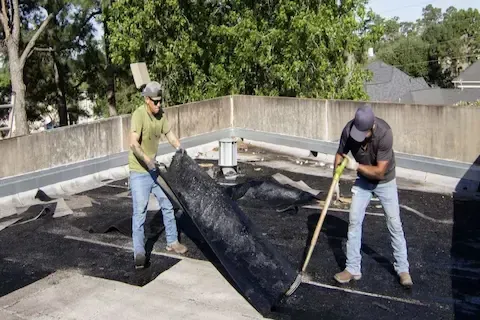
Emergency Commercial Roof Repair Response Plymouth MN
When your commercial roof fails unexpectedly in Plymouth, Minnesota, immediate response protocols can mean the difference between contained damage and catastrophic property loss. Emergency roof repair requires coordinated action involving temporary protection, professional assessment, and strategic repair planning that addresses both immediate threats and long-term building integrity.
Initial Emergency Response Protocol
The first hour after discovering commercial roof damage determines the scope of subsequent repairs and associated costs. Plymouth business owners should immediately contact emergency roofing services while simultaneously implementing basic damage control measures. Remove any standing water using pumps or wet vacuums, relocate inventory and equipment from affected areas, and place collection containers under active leaks.
Professional emergency responders arrive equipped with tarping materials, temporary sealants, and diagnostic equipment to assess structural integrity. The initial response focuses on weather protection rather than permanent repairs, establishing a secure perimeter that prevents water infiltration while comprehensive evaluation proceeds. Documentation begins immediately, with photographs capturing damage extent, water intrusion patterns, and any compromised structural elements.
Emergency response teams prioritize life safety considerations, evaluating whether the building remains safe for occupancy during temporary repairs. Electrical systems receive particular attention, as water and electricity create deadly combinations that require immediate isolation of affected circuits.
Temporary Protection and Dry-In Procedures
Professional dry-in procedures involve systematic waterproofing that protects the building envelope while permanent repairs are planned and executed. Emergency tarping utilizes commercial-grade materials secured with proper fastening systems that withstand Minnesota weather conditions without causing additional roof damage.
Temporary protection extends beyond simple covering, incorporating drainage management that directs water away from compromised areas. Emergency teams install temporary guttering, downspouts, and collection systems that prevent water accumulation during subsequent storm events. These systems remain functional for weeks or months while insurance adjusters complete their work and permanent repairs are scheduled.
Interior protection involves moisture control measures that prevent mold growth and secondary damage. Dehumidification equipment, air circulation systems, and moisture monitoring devices create stable conditions that preserve building contents and structural integrity during the repair process.
Advanced Temporary Repair Techniques
Modern emergency roofing incorporates advanced materials and techniques that provide robust protection extending far beyond basic tarping. Self-adhering membrane systems create watertight seals over large damaged areas, while liquid-applied coatings provide seamless protection for complex roof geometries.
Temporary structural reinforcement addresses damaged roof decking, compromised support members, and weakened attachment points. Emergency shoring systems distribute loads safely while permanent structural repairs are designed and implemented. These temporary measures often remain in place for extended periods during insurance claim processing and repair scheduling.
Emergency Assessment and Damage Documentation
Comprehensive damage assessment requires specialized expertise to identify all affected building systems and components. Professional emergency responders evaluate roof membrane integrity, insulation condition, structural damage, and interior impact using moisture meters, thermal imaging, and core sampling techniques.
Documentation procedures follow insurance industry standards, creating detailed records that support claim processing and repair specifications. Digital photography, written damage descriptions, and technical measurements establish baseline conditions that guide repair planning and cost estimation.
Structural engineering consultation becomes necessary when damage affects load-bearing elements, roof decking integrity, or building envelope continuity. Emergency structural assessments determine safe occupancy limits and temporary support requirements while permanent repairs are planned.
Hidden Damage Investigation
Emergency roof damage often extends beyond immediately visible problems, requiring thorough investigation of concealed building systems. Insulation moisture content, vapor barrier integrity, and structural member condition require specialized testing equipment and expertise to evaluate properly.
Thermal imaging reveals moisture patterns invisible to visual inspection, identifying compromised insulation areas and potential structural damage. Core samples through roof assemblies provide direct evidence of moisture penetration depth and material condition throughout the building envelope.
Insurance Coordination and Claims Management
Effective insurance coordination begins immediately after emergency protection measures are implemented. Property owners should contact their insurance carrier within hours of discovering damage, providing initial damage descriptions and emergency response documentation. Most policies require prompt notification and may limit coverage for delays in reporting.
Emergency repair authorization requires careful coordination between property owners, insurance adjusters, and roofing contractors. Pre-approved emergency measures typically include temporary protection and immediate safety concerns, while permanent repairs require adjuster approval and detailed cost estimates.
Documentation standards for insurance claims include detailed photography, written damage assessments, repair cost estimates, and emergency response invoices. Emergency Roof Repair teams experienced in insurance procedures provide documentation that expedites claim processing and maximizes coverage benefits.
Claim Documentation Best Practices
Professional claim documentation involves systematic recording of all damage aspects, repair activities, and associated costs. Time-stamped photography sequences show damage progression and repair procedures, while detailed written reports describe conditions, actions taken, and recommendations for permanent repairs.
Cost documentation includes labor hours, material quantities, equipment usage, and emergency response fees. Transparent pricing breakdown helps insurance adjusters understand repair complexity and justifies emergency response costs that often exceed standard repair rates.
Weather Monitoring and Response Timing
Plymouth Minnesota's variable weather patterns require continuous monitoring during emergency roof situations. Weather tracking systems alert property managers to approaching storms that could worsen existing damage or compromise temporary protection measures.
Emergency response timing coordinates with weather windows that allow safe working conditions for temporary repairs. High winds, precipitation, and extreme temperatures affect both worker safety and repair effectiveness, requiring flexible scheduling and contingency planning.
Seasonal considerations influence emergency response strategies, with winter conditions requiring specialized techniques for ice removal, frozen membrane repair, and cold-weather material application. Snow loading calculations become critical when temporary repairs must support additional structural loads.
Communication and Stakeholder Coordination
Emergency situations require clear communication channels between multiple stakeholders including property owners, tenants, insurance representatives, and emergency response teams. Establishing primary communication contacts and backup procedures ensures coordinated response during high-stress situations.
Tenant notification procedures balance security concerns with necessary information sharing, providing updates on building safety, access restrictions, and repair timelines without compromising sensitive insurance or cost information.
Local building officials may require notification and inspection of emergency repairs, particularly when structural damage affects building safety or code compliance. Understanding Plymouth municipal requirements expedites approval processes and prevents delays in emergency response activities.
Crisis Communication Planning
Effective crisis communication involves pre-established protocols that activate automatically during emergency situations. Contact lists, communication templates, and decision-making hierarchies reduce response time and prevent information gaps during critical periods.
Media relations may become necessary for significant commercial roof emergencies that affect public safety or major businesses. Professional communication management protects business reputation while providing necessary public information.
Post-Emergency Planning and Prevention
Emergency response experiences provide valuable insights for preventing future roof failures and improving response procedures. Post-emergency analysis identifies contributing factors, evaluates response effectiveness, and develops improved maintenance and monitoring protocols.
Preventive maintenance programs reduce emergency frequency by identifying potential failure points before they cause catastrophic damage. Regular inspections, proactive repairs, and system upgrades address vulnerabilities that could lead to emergency situations.
Emergency response planning documents proven procedures, contact information, and resource requirements for future use. Regular plan updates incorporate lessons learned and changing business conditions that affect emergency response needs.
Understanding commercial metal roofing basics helps property owners recognize potential failure modes and implement appropriate monitoring procedures. Different roofing systems require specialized emergency response approaches that address their unique vulnerabilities and repair requirements.
Professional emergency response capabilities provide Plymouth commercial property owners with confidence that roof failures will be managed effectively, minimizing damage and business disruption while protecting long-term property value and operational continuity.
Dealing with damage right now? Our step-by-step on what to do after Plymouth commercial roof storm damage covers the first 24 hours: safety, documentation, water containment, and the insurance call.
