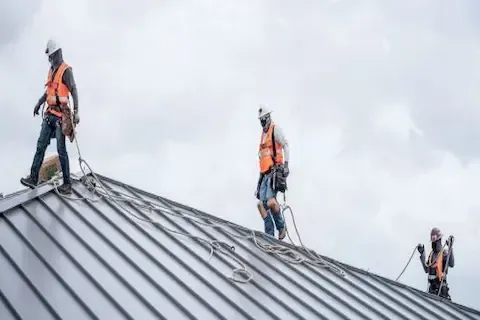
Metal Roofing for Plymouth MN Commercial Buildings
Metal roofing systems have transformed commercial building protection in Plymouth, MN, offering unmatched durability and weather resistance for the region's challenging climate. From the extreme temperature swings of Minnesota winters to intense summer storms, metal roofing provides the structural integrity and longevity that Plymouth commercial property owners demand for their investments.
Understanding Commercial Metal Roofing Systems
Commercial metal roofing encompasses several distinct system types, each engineered for specific building requirements and performance standards. Standing seam metal roofing represents the premium choice for many Plymouth commercial buildings, featuring interlocking panels that create weatherproof seams without exposed fasteners. This design eliminates the most common failure points found in traditional roofing systems.
Screw-down panel systems offer a more economical option while maintaining excellent weather protection. These systems use exposed fasteners with specialized gaskets and sealants to prevent water infiltration. The panels typically feature corrugated or ribbed profiles that provide structural strength and efficient water shedding capabilities.
Metal roofing materials vary significantly in their composition and performance characteristics. Steel remains the most common choice, available in galvanized, galvalume, or painted finishes. Aluminum offers superior corrosion resistance, particularly valuable in Plymouth's salt-exposed environments during winter months. Copper provides exceptional longevity and develops a distinctive patina over time, though it requires higher initial investment.
The gauge thickness of metal roofing directly impacts durability and wind resistance. Heavier gauges provide superior structural performance but increase material and installation costs. Most Plymouth commercial applications utilize 24-gauge to 22-gauge materials to balance performance requirements with budget considerations.
Standing Seam Systems for Plymouth Commercial Applications
Standing seam metal roofing excels in Plymouth's commercial market due to its superior weather sealing and thermal performance. The raised seams create continuous weatherproof barriers that effectively shed snow, ice, and rainwater while accommodating thermal expansion and contraction cycles common in Minnesota's climate.
Snap-lock standing seam systems allow for efficient installation while maintaining structural integrity. The panels interlock mechanically without requiring special tools or equipment, reducing labor costs and installation time. Mechanical lock systems provide enhanced wind resistance through crimped connections that create stronger seam bonds.
Structural standing seam systems attach directly to building purlins or structural decking, eliminating the need for additional roof deck materials. This approach reduces overall system weight while providing exceptional wind uplift resistance, critical for Plymouth's severe weather conditions.
The thermal performance of standing seam systems benefits from the air space created between the metal surface and underlying insulation. This design reduces heat transfer and helps prevent ice dam formation, a common concern for Plymouth commercial buildings during winter months.
Modern standing seam systems incorporate advanced sealant technologies and gasket materials that maintain flexibility across extreme temperature ranges. These components ensure long-term weather sealing performance even under the thermal stress cycles experienced in Plymouth's continental climate.
Installation Considerations for Plymouth Commercial Projects
Successful metal roofing installation requires careful attention to substrate preparation and structural adequacy. Existing roof decking must provide adequate support for metal panel systems and any additional loads from snow accumulation. Plymouth commercial buildings often require structural evaluations before metal roofing installation to ensure compliance with current building codes.
Proper fastening patterns and techniques directly impact system performance and warranty compliance. Fasteners must penetrate structural members adequately while avoiding over-driving that can damage gasket seals or create stress concentrations in the metal panels.
Thermal expansion joints become critical design elements for larger Plymouth commercial buildings. Metal roofing systems experience significant dimensional changes across Minnesota's temperature extremes, requiring accommodation through proper joint design and placement.
Weather window planning proves essential for Plymouth metal roofing projects. Installation timing should consider seasonal weather patterns, avoiding periods of frequent precipitation or extreme temperatures that can compromise installation quality or safety conditions.
The integration of rooftop equipment and penetrations requires specialized flashing details and support systems. HVAC units, exhaust fans, and other equipment must be properly supported and sealed to maintain the metal roofing system's weather integrity. Professional Metal Roofing installation ensures these critical details receive proper attention during the construction process.
Performance Benefits and Longevity
Metal roofing systems deliver exceptional longevity when properly installed and maintained. Quality systems routinely achieve 30 to 50-year service lives, with premium materials and coatings extending performance even further. This longevity makes metal roofing highly cost-effective for Plymouth commercial property owners despite higher initial costs.
Wind resistance represents a significant advantage for Plymouth commercial buildings. Metal roofing systems can achieve wind ratings exceeding 150 mph when properly designed and installed, providing security against severe weather events common in the region.
Fire resistance characteristics make metal roofing particularly valuable for commercial applications. Most metal roofing systems achieve Class A fire ratings, the highest level available, contributing to building safety and potentially reducing insurance costs.
Energy efficiency benefits include high solar reflectance values that reduce cooling loads during summer months. Light-colored metal roofing can reflect 70% or more of solar radiation, significantly reducing heat gain compared to darker conventional roofing materials.
The low maintenance requirements of metal roofing systems provide ongoing cost savings. Routine inspections and minor repairs typically suffice to maintain system performance, unlike other roofing types that may require frequent membrane repairs or coating applications.
Common Installation Challenges and Solutions
Improper fastener selection or installation creates the most frequent failure points in metal roofing systems. Using incorrect fastener lengths, angles, or torque specifications can compromise weather sealing and structural attachment. Professional installers understand the specific requirements for different metal roofing systems and building conditions.
Inadequate thermal expansion accommodation leads to stress concentrations that can cause panel distortion or fastener failure. Proper design considers the building's dimensional characteristics and expected temperature ranges to provide adequate movement joints and flexible connections.
Flashing details around penetrations and perimeter conditions require precise fabrication and installation techniques. Custom flashings must integrate properly with both the metal roofing system and building envelope to prevent water infiltration paths.
Substrate moisture conditions can compromise adhesion of sealants and cause corrosion issues over time. Proper surface preparation and moisture management ensure long-term performance of metal roofing installations in Plymouth's variable weather conditions.
Understanding commercial roof coating fundamentals becomes important when considering future maintenance options or when metal roofing interfaces with existing coated surfaces on complex commercial buildings.
Local Climate Considerations for Plymouth
Plymouth's continental climate presents unique challenges that influence metal roofing system selection and design. The region experiences significant temperature variations, with winter lows reaching -20°F or below and summer highs exceeding 90°F. These extreme temperature cycles create substantial thermal stress in roofing materials.
Snow load considerations prove critical for Plymouth commercial metal roofing design. The region's average annual snowfall of 45-55 inches requires systems capable of supporting accumulated loads while facilitating safe snow shedding. Metal roofing's smooth surface helps prevent dangerous ice dam formation that can damage buildings and create liability concerns.
Wind exposure in Plymouth varies significantly based on building location and surrounding development. Buildings in open areas or elevated locations experience higher wind loads that must be accommodated through proper fastening patterns and system design. The tornado risk in the region also influences wind resistance requirements.
Hail damage represents a seasonal concern for Plymouth commercial buildings. Metal roofing systems generally provide excellent hail resistance, though panel gauge and profile selection can influence impact performance. Heavier gauge materials and certain profile shapes offer enhanced protection against hail damage.
Cost Analysis and Return on Investment
Initial installation costs for commercial metal roofing systems typically exceed those of conventional roofing materials, but the long-term value proposition often favors metal systems. The extended service life, reduced maintenance requirements, and energy efficiency benefits contribute to favorable lifecycle cost analysis.
Labor costs represent a significant portion of metal roofing installation expenses. The specialized skills required for proper installation command premium rates, but the investment ensures system performance and warranty compliance. Quality installation prevents costly repairs and premature replacement.
Material costs vary widely based on metal type, gauge, and coating specifications. Basic galvanized steel systems offer the most economical option, while premium materials like aluminum or copper require higher investment but provide enhanced performance characteristics.
Energy cost savings from metal roofing's reflective properties can provide measurable returns for Plymouth commercial buildings. Reduced cooling loads during summer months translate to lower utility bills, with savings accumulating over the system's service life.
Insurance considerations may favor metal roofing installations. The fire resistance, wind performance, and hail resistance of metal systems can qualify for reduced premium rates with many commercial insurance carriers, providing additional cost benefits beyond the roofing system itself.
Low slope changes the specification. Our guide to standing seam metal roofing for Plymouth low slope buildings covers pitch minimums, underlayment, thermal movement, and clip spacing.
